Introduction
When it comes to your oral health, good information is as crucial as your toothbrush. Unfortunately, the world of dental care is full of persistent half-truths and outdated advice that can lead to real harm. It’s time to set the record straight and empower you with facts for a healthier smile.
Let’s bust some of the most common misconceptions.
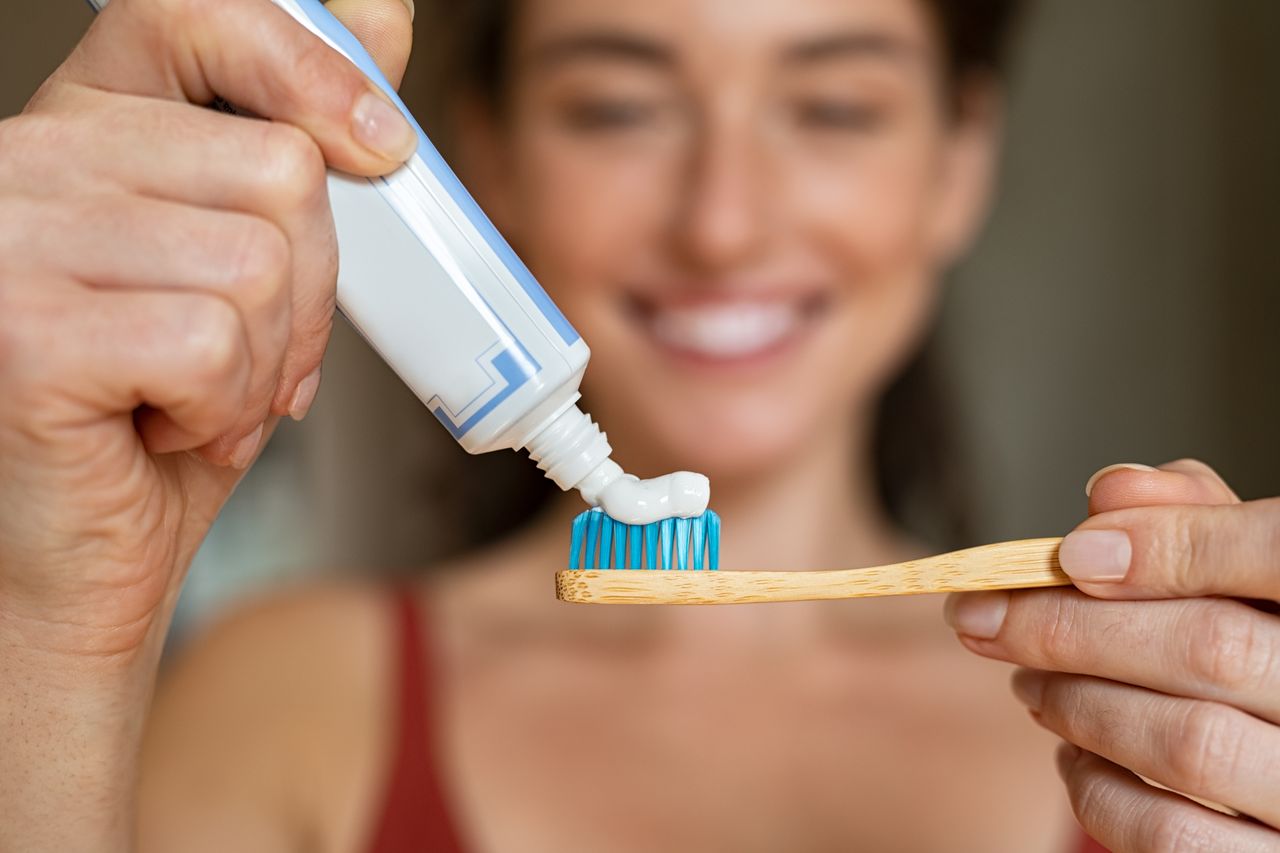
1: “If My Gums Bleed, I Should Stop Flossing.”
The Truth: Bleeding gums are a classic sign of inflammation caused by plaque buildup—a symptom of gingivitis, the earliest stage of gum disease. Stopping flossing only allows more plaque to accumulate, worsening the problem. The correct response is to floss more gently and consistently. After a week of proper, daily flossing, the bleeding should subside as your gum health improves. If it persists, it’s time to see your dentist for an evaluation.
2: “Sugar is the Direct Cause of Cavities.”
The Truth: This is a half-truth. While sugar itself doesn’t create holes in your teeth, it is the primary fuel for the harmful bacteria in your mouth. These bacteria produce acid as a byproduct, and it’s this acid that erodes tooth enamel, leading to cavities. It’s not just the amount of sugar you eat, but the frequency and how long it stays on your teeth that matters.
3: “You Don’t Need to See a Dentist If Nothing Hurts.”
The Truth: Pain is a late-stage warning sign. By the time you feel a toothache, the problem is often advanced. A small cavity is easily filled, but one that reaches the nerve might require a root canal. Regular check-ups enable your dentist to identify issues such as cavities, early gum disease, and even oral cancer long before they cause you pain, thereby saving you from discomfort and more complex procedures.
4: “Harder Brushing Equals Cleaner Teeth.”
The Truth: This is one of the most damaging myths. Scrubbing your teeth aggressively with a hard-bristle brush can irreversibly wear down your enamel and cause your gums to recede. Effective cleaning is about technique, not force. Use a soft-bristled brush and gentle, circular motions to clean effectively without causing harm.
5: “Whitening Toothpastes Are an Effective Way to Whiten Teeth.”
The Truth: This is misleading. Most “whitening” toothpastes don’t actually bleach teeth. They rely on abrasive agents to polish away surface stains from coffee, tea, or wine. However, if they do contain a bleaching agent, such as hydrogen peroxide, the concentration is too low and the contact time is too brief to make a noticeable difference. Furthermore, many whitening toothpastes can be harmfully abrasive, especially on worn areas with exposed dentin or root surfaces due to gum recession. For actual whitening, professional treatments are a safer and more effective option.
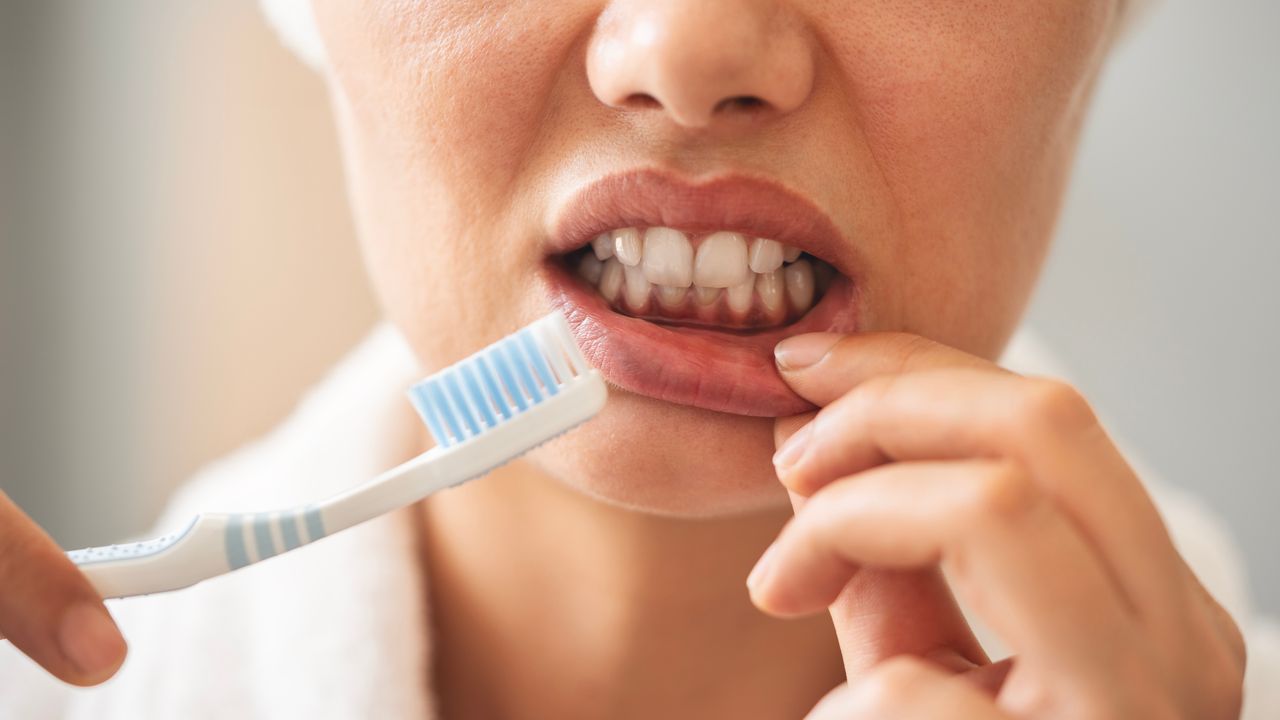
6: “Baby Teeth Aren’t Important.”
The Truth: Baby teeth are crucial placeholders for permanent teeth. If a baby tooth is lost prematurely to decay, the surrounding teeth can shift, leading to severe crowding and alignment issues for the adult teeth. They are also essential for proper chewing, speech development, and instilling good oral hygiene habits from a young age.
7: “You Should Rinse Your Mouth with Water After Brushing.”
The Truth: This common habit washes away the concentrated fluoride in your toothpaste before it has time to work. For maximum cavity-fighting benefit, spit out the excess toothpaste but avoid rinsing with water or mouthwash immediately after. This allows the fluoride to continue strengthening your enamel.
8: “Chewing Sugar-Free Gum is as Good as Brushing.”
The Truth: While chewing sugar-free gum (especially one with xylitol) is an excellent supplement, it is not a replacement for brushing and flossing. Gum can help stimulate saliva flow, which naturally cleanses the mouth and neutralizes acid. However, it cannot remove the sticky plaque biofilm that can only be effectively disrupted by mechanical brushing and flossing.
9: “If You Have a Cavity, You’ll Know It.”
The Truth: In its early stages, a cavity is a silent problem. You likely won’t feel any pain or sensitivity until the decay has progressed through the enamel and into the softer, more sensitive dentin layer underneath. This is why regular dental X-rays and exams are essential for detecting problems that cannot be seen or felt.
10: “Root Canals Are Painful and Cause Illness.”
The Truth: This is a historic myth with no basis in modern science. The purpose of a root canal is to relieve the severe pain of an infected tooth. With modern anaesthetics, the procedure itself is typically no more uncomfortable than getting a standard filling. Furthermore, the long-debunked claim that root canals cause systemic illness has been thoroughly rejected by endodontic specialists and research.
Don’t Let Myths Dictate Your Oral Health
Understanding the facts is the first step toward a healthier smile. The next is partnering with a dental team you can trust to provide transparent, honest, and evidence-based care.
Do you have more questions, or are you ready to schedule your next check-up? At Dr Bryan G. Foote, DDS, our team is dedicated to providing compassionate and expert care that you deserve.
Schedule Your Appointment with Confidence Today!
Frequently Asked Questions (FAQs)
How often should I really replace my toothbrush?
The general rule is every three to four months, or sooner if the bristles become frayed. A worn-out toothbrush is much less effective at cleaning your teeth properly.
Is an electric toothbrush better than a manual one?
While a manual toothbrush used with proper technique can be very effective, many people find that electric toothbrushes with oscillating heads are more efficient at removing plaque and easier to use correctly, especially for those with limited dexterity.
Are dental X-rays safe?
Yes. Modern digital dental X-rays use extremely low levels of radiation and are considered very safe. The diagnostic benefit of identifying hidden problems far outweighs the minimal risk.
What is the most critical thing I can do for my oral health?
There’s no single magic bullet, but a consistent combination of brushing twice daily for two minutes, flossing once a day, and attending regular dental check-ups and cleanings is the gold standard for preventing the majority of dental problems. Let us help you maintain that routine—book your hygiene appointment now.