Keeping your teeth clean and oral health in top shape while traveling is essential because it can help you avoid unnecessary discomfort and also ensure a pleasant travel experience. From pre-trip planning to managing dental emergencies on the go, Dr. Foote can provide crucial advice for maintaining a healthy, radiant smile while traveling. It’s also important to have at least two annual scheduled dental examinations around any planned trips to ensure your oral health remains excellent.
The Importance of Oral Hygiene While Traveling
Changes in your diet, routine, and surroundings can have a detrimental effect on your oral health when you’re on the go. Here are some reasons why maintaining dental hygiene while traveling is crucial:
1. Preventing Dental Diseases
Traveling frequently disrupts your daily oral hygiene routine, increasing your risk of dental problems such as cavities and decay, gum disease, and bad breath. Maintaining good oral hygiene helps keep your teeth and gums healthy.
2. Impact on Overall Health
Overall health and oral health are closely related. Systemic diseases like diabetes, heart disease, and respiratory infections can be exacerbated by poor dental hygiene. You can protect your mouth and enhance your general health by practicing good oral hygiene.
3. Comfort and Enjoyment
Your travel experience may be greatly impacted by dental discomfort. Toothaches, gum disease, or other dental issues can make it difficult for you to enjoy your vacation. Making dental hygiene a priority reduces the likelihood of these discomforts and ensures a more comfortable, joyful travel experience.
4. Unplanned Expenditures
It can be expensive and difficult to handle dental emergencies while traveling, particularly if you’re in a foreign nation with high healthcare costs or language barriers. By reducing the possibility of emergencies, routine dental care helps you avoid unforeseen dental costs.
5. Preserving Your Smile
Your first impression is your smile. Maintaining proper oral hygiene helps keep your teeth and gums healthy, keeping your smile bright. When you are traveling and meeting new people, a healthy smile is the best first impression.

Pre-Travel Preparation
Keeping your teeth healthy begins even before you leave your house. Maintaining a healthy, radiant smile while traveling can be greatly enhanced by careful planning. Here are some crucial actions to think about:
1. Dental Check-up
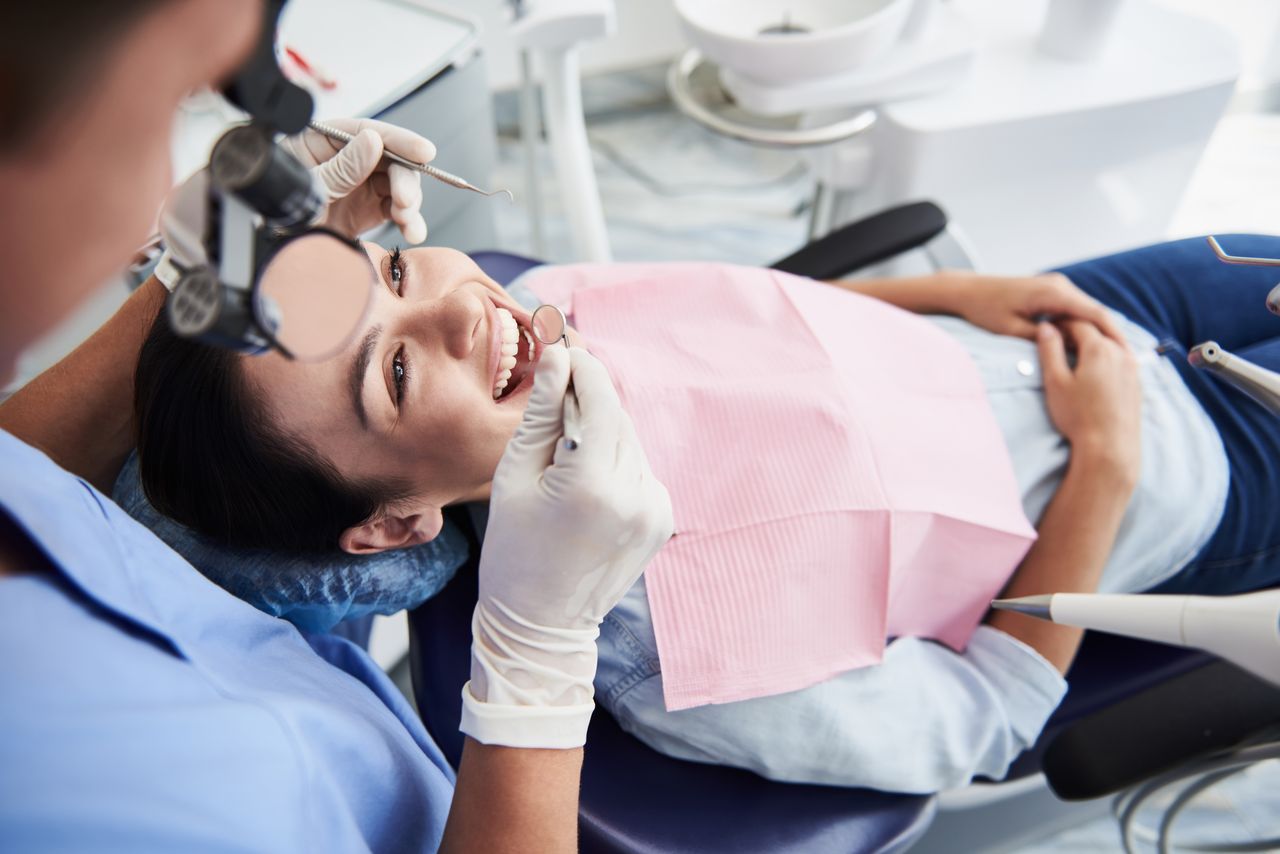
It’s a good idea to get a regular checkup with your dentist before your trip. Any potential dental problems that might develop into serious issues while you’re away can be identified and addressed during this visit. Your dentist can make sure that cavities are filled, finish any necessary dental work, and offer guidance on any particular oral care requirements you may have while traveling. Additionally, having your teeth professionally cleaned can reduce your risk of dental issues while traveling.
2. Travel Dental Kit
To maintain dental hygiene while traveling, it is essential to pack a travel dental kit. Included in your kit should be extra supplies in the event of trip extensions:
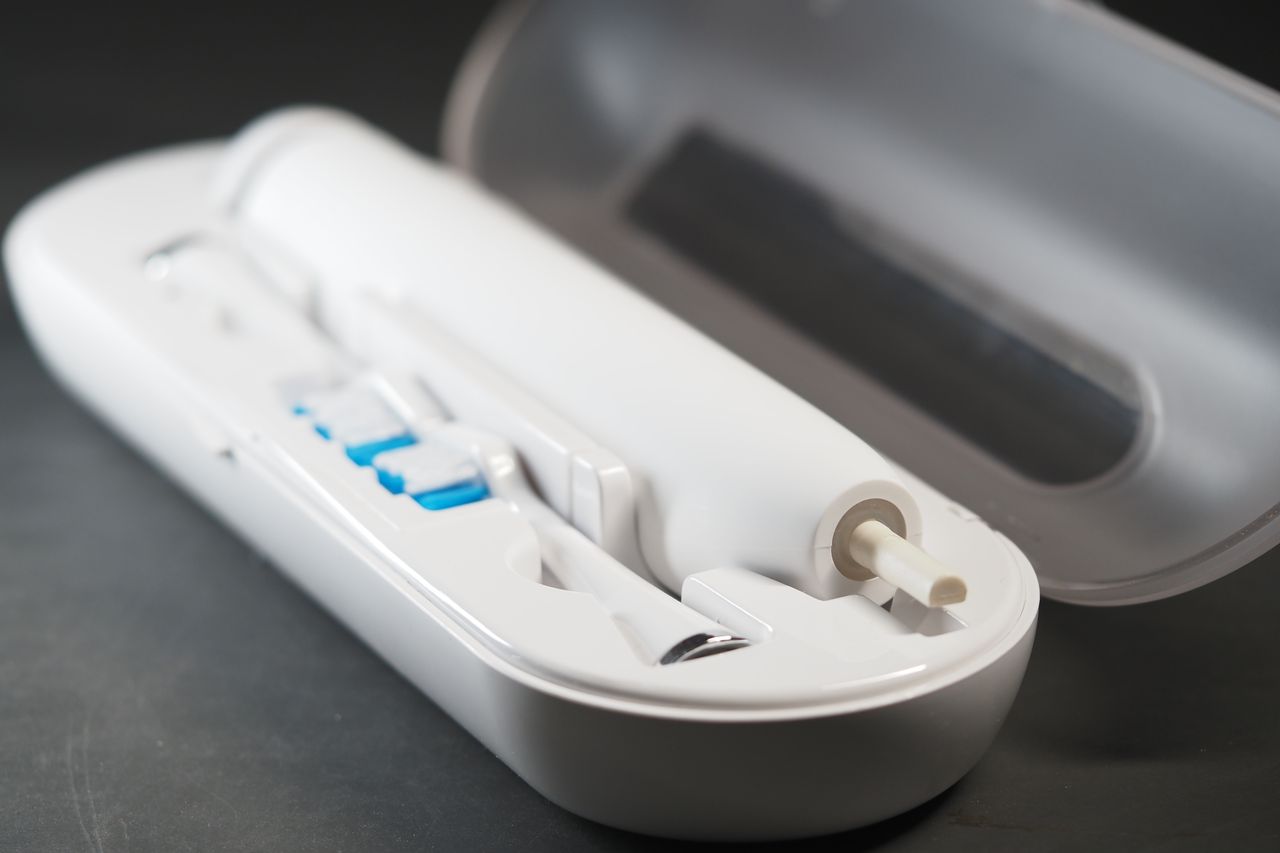
- Toothbrush: To keep your regular toothbrush clean and hygienic, choose a small, travel-sized one or a case for it.
- Toothpaste: To fortify tooth enamel and stop decay, pack a travel-sized tube of fluoride toothpaste.
- Floss: Dental floss or interdental cleaners are essential for removing plaque and food particles between teeth.
- Specialized Items: Add to your kit any items you use, such as night guards, orthodontic retainers, or particular dental health products.
You can enjoy your trip without sacrificing your oral health if you prepare well in advance.
Oral Hygiene On the Go
It can be difficult to maintain dental hygiene while traveling due to disrupted routines and unfamiliar surroundings. The following advice can help you maintain your dental health while you’re on the go:
1. Brushing and Flossing
Maintaining your regular oral hygiene routine is crucial, even when traveling. Try to floss every day and brush your teeth with fluoride toothpaste at least twice a day. To make it simpler, consider the following advice:
- Timing: Try to brush your teeth after eating, but if you can’t, rinse your mouth with water to help remove food particles and sugars until you can.
- Convenience: Keep your travel dental kit handy so you can brush and floss wherever you are, especially on lengthy flights or road trips.
- Discretion: Chewing sugar-free gum is a discreet way to stimulate saliva production and support oral hygiene when brushing your teeth is not practical.
2. Eating Habits
Your oral health is greatly influenced by your diet, particularly when traveling. Here’s how to control your eating patterns to promote dental hygiene:
- Healthy Selections: Choose foods like fruits, vegetables, and nuts that are high in fiber and low in sugar. These foods increase salivation, which helps prevent cavities.
- Prevent Snacking: To lower the risk of tooth decay, limit your intake of sugary or acidic foods between meals.
- Drink Water: Drinking lots of water keeps you hydrated and helps remove bacteria and food particles.
3. Water Consumption
In addition to being vital for general health, drinking water is also necessary for dental hygiene. Water aids in:
- Clean the Mouth: It removes food debris and particles that bacteria can feed on.
- Encourage Saliva Production: Drinking enough water helps keep your salivary glands functioning at their best, protecting your teeth from illness and decay.
- Choose Wisely: In areas with questionable tap water quality, opt for bottled water to avoid potential health risks, including those to your oral health. When traveling within the U.S., you can be confident that tap water is okay to use.
No matter where you are or how busy your schedule gets, you can maintain your oral hygiene while traveling by following these guidelines.
Post-Travel Dental Care
How to handle your dental care after your trip is as follows:
1. Resuming Normal Routine
After traveling, it’s critical to resume your regular dental care regimen. Here are some actions to take:
- Complete Cleaning: As soon as you get home, brush and floss your teeth thoroughly. This helps clear away any plaque buildup that may have developed while you were traveling.
- Examine Your Oral Health: Look for any changes or odd symptoms in your mouth, such as pain, swelling, or sensitivity, and take quick action to address them.
- Replenish Supplies: To ensure you’re ready for your everyday routine and upcoming travels, restock any dental care supplies that were used up or misplaced during your trip.
2. Post-Travel Check-up
After your trip, think about getting a dental examination.
- Professional Cleaning: By removing accumulated tartar and plaque, a professional cleaning allows your dentist to fully assess your oral health.
- Resolve Dental Problems: Your dentist can examine and treat any dental issues you may have had while traveling before they worsen.
- Update Your Dental Record: Your dentist can give you the best care and guidance for future travel and general oral health if you keep your dental history current.
You can ensure your teeth and gums stay healthy and ready for your next adventure by promptly resuming your regular dental care regimen and speaking with your dentist.
Conclusion
In conclusion, you can protect your oral health while traveling by preparing in advance with a pre-travel dental examination and a well-stocked travel dental kit, maintaining good oral hygiene throughout your trip, and being ready for any dental emergencies. Resuming your usual oral hygiene regimen and scheduling a post-trip dental examination are essential steps to ensure any issues are promptly resolved. By using these suggestions, you can travel without sacrificing your dental health and maintain a bright, healthy smile wherever you go.
Learn More About Dentistry:
What to Expect with Tooth Extractions
Caring for Dental Bridges and Dentures
The Process of Getting Dental Fillings
Crowns vs. Veneers: Which Is Right for You?
FAQs
1. Why is maintaining dental hygiene while traveling so important?
Answer: Travel often disrupts your routine, diet, and sleep, all of which impact oral health. Consuming more sugary snacks, eating at irregular times, and potential dehydration can increase your risk of cavities, gum inflammation, and bad breath.
Protecting your teeth while away prevents painful emergencies that can ruin a trip and lead to expensive dental care in an unfamiliar location. Prioritizing travel oral hygiene ensures you return home with a healthy smile.
2. What are the absolute must-haves for an oral hygiene travel kit?
Answer: A well-prepared oral hygiene travel kit is compact and efficient. Essentials include:
- A travel-sized or foldable toothbrush (manual or electric with a charged battery).
- A small tube of fluoride toothpaste.
- Dental floss or floss picks (more convenient for travel).
- For longer trips, consider a tongue scraper and a compact case for your toothbrush.
Tip: If you use a water flosser, look for a portable, battery-operated model designed for dental hygiene travel.
3. How can I effectively clean my teeth during long flights or road trips?
Answer: Oral hygiene care during transit is about smart planning. Pack a mini-kit with a toothbrush, toothpaste, and floss in your carry-on or day bag. After in-flight meals or snacks, chew sugar-free gum with xylitol to stimulate saliva and cleanse teeth.
Drink plenty of water throughout your journey to rinse away food particles and combat dry mouth, a major contributor to bacterial growth. A quick visit to the airport or rest stop bathroom for a two-minute brush can make a huge difference in how your mouth feels.
4. What should I do if I forget my toothbrush while traveling?
Answer: Don’t panic! This is a common dental hygiene travel dilemma. First, ask the front desk at your hotel, as many offer complimentary toiletries. If that fails, a quick trip to a local convenience store or pharmacy is your solution.
In a true pinch before you can get a new brush, you can rinse with water, or floss if you have it. Remember, this is only a temporary fix; procuring a proper toothbrush should be a top priority.
5. Are there any travel-friendly habits that improve my oral health for a lifestyle on the go?
Answer: Absolutely.
- Drinking Tap Water (Safe In The U.S.): In areas with fluoridated water, this helps strengthen enamel. Bottled water is often fluoride-free.
- Choosing Smart Snacks: Opt for nuts, cheese, or crunchy fruits and vegetables over sticky candies and pastries. They are less likely to cause cavities and can help clean teeth.
- Scheduling a Pre-Trip Checkup: Visit your dentist before a long journey to address any minor issues and get a professional cleaning, giving you a clean slate for your trip.