Introduction
Maintaining optimal oral hygiene is essential for overall health. Two primary tools lead the fight against plaque and gum disease: traditional dental floss and modern water flossers. This guide examines the pros and cons of each, drawing on the latest clinical research to help you make an informed choice.
Flossing targets the areas your toothbrush cannot reach between teeth and below the gumline. The American Dental Association (ADA) confirms that interdental cleaning is vital for removing debris and plaque.
For personalized advice on which method fits your dental needs, schedule a consultation with Dr. Foote, an expert with over 25 years of experience in general and cosmetic dentistry.
What Is Dental Floss?
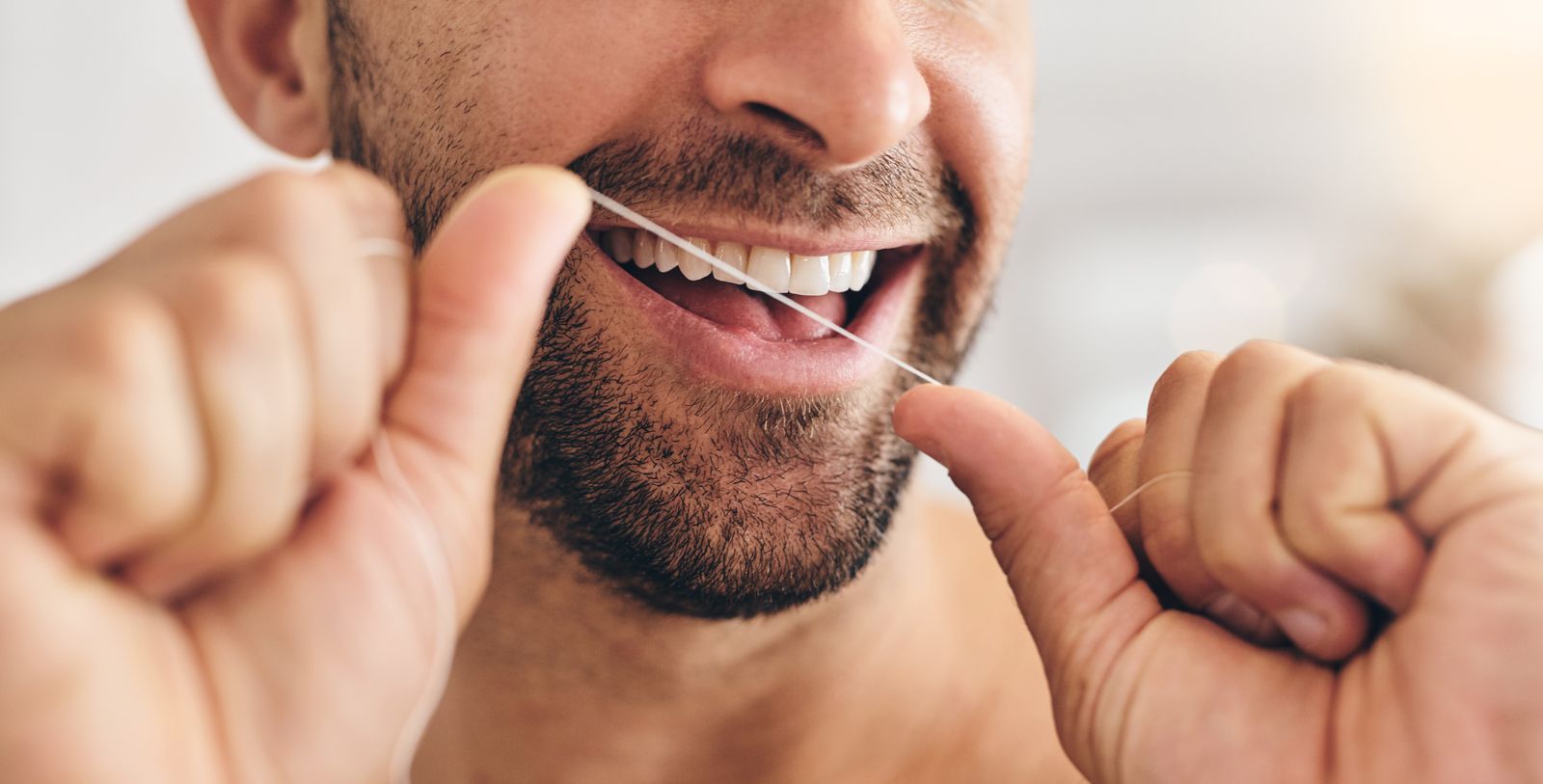
Dental floss has a long history. The first U.S. patent was granted in 1874 to Asahel M. Shurtleff, who introduced packaging with an integrated cutter. Originally made of silk, nylon became the standard after WWII.
Today’s options include pre-cut picks, long strands, and flavored or waxed varieties.
The ADA regards floss as the “gold standard” for removing up to 80% of interdental plaque. Yet, despite this efficacy, studies show only 10%–30% of adults floss regularly.
What Are Water Flossers?
Water flossers (oral irrigators) use a targeted, pulsating stream of water (50–90 psi) to dislodge food, bacteria, and plaque from teeth and beneath the gumline.
First introduced in 1962, Waterpik was the first brand to earn the ADA Seal of Acceptance. Today, it remains the #1 water flosser recommended by dental professionals.
Models include countertop units, cordless versions, and compact travel designs.
Why Dental Health Matters
Your toothbrush removes only about 60% of plaque, leaving significant buildup in interdental areas. If not removed, plaque hardens into tartar, leading to:
- Gingivitis and periodontitis
- Cavities and tooth decay
- Potential tooth loss
Unmanaged plaque also links to systemic issues like cardiovascular disease. For pregnant individuals, poor oral hygiene may contribute to premature birth.
Expert Tip: Dr. Bryan G. Foote, a full-service dentist with over two decades of experience, stresses that proper home care is your first defense against gum disease. Book an appointment for a professional evaluation.
Water Flossers: Pros and Cons
Advantages
- Gentle on gums: Reduces irritation vs. string floss.
- Superior for dental work: Up to 2× more effective around implants and 3× more effective around braces.
- Ideal for orthodontics: A 2024 BMC Oral Health trial found a 21.87% plaque reduction and 32.29% gingival bleeding reduction in brace-wearers using water flossers.
- Accessibility: Invaluable for arthritis, Parkinson’s, or carpal tunnel patients.
- Proven efficacy: Removes up to 99.9% of plaque bacteria from treated areas and is 29% more effective than string floss overall.
Disadvantages
- Higher initial cost.
- Can be messy (use over a sink).
- Requires power and water (limited portability).
- Needs counter space.
- May take longer than quick flossing.
Regular Floss: Pros and Cons
Benefits
- Targeted cleaning of tight spaces.
- Unparalleled control (C-shape wrapping).
- Affordable and widely available.
- Highly portable.
- ADA-recognized as the gold standard.
Limitations
- Technique-sensitive (improper use causes bleeding).
- Difficult with braces or bridges.
- Challenging for those with limited dexterity.
- Risk of gum damage if over-aggressive.
- Poor adherence: only 10–30% of adults do it daily.
Effectiveness Against Plaque: The Research

2023 Systematic Review
A 2023 systematic review in the Journal of the Indian Society of Periodontology analyzed seven RCTs. The majority favored water flossers for plaque reduction, especially in hard-to-reach interproximal areas.
The review concluded that water flossers are an effective alternative for patients with dexterity issues, braces, or prosthetics.
Key Clinical Data
| Study | Finding |
|---|---|
| Goyal et al. | Significant plaque reduction with a water flosser |
| Mancinelli-Lyle (2023) | 4-week RCT confirmed efficacy on inflammation |
| Baghdad University (2024) | Waterpik outperformed floss in reducing plaque and bleeding |
| Waterpik Research | 29% more effective than string floss for overall plaque removal |
Orthodontic Evidence
A 2024 BMC Oral Health RCT on orthodontic patients showed:
- Water jet flossing: 21.87% plaque reduction
- Interdental flossing: 16.13% plaque reduction
Water flossers demonstrated a clear advantage for brace-wearers.
Floss vs. Water Flossing: Which Is More Effective?
Clinical evidence gives water flossers a slight edge in plaque removal, especially in inaccessible areas. However, both work well when used correctly. The ADA recognizes both methods, stating that choice should depend on patient characteristics and interdental space.
Choosing the Right Method for You
Choose a Water Flosser If You:
- Struggle with the string-floss technique
- Have implants, bridges, or crowns
- Wear braces
- Have arthritis or limited dexterity
- Want maximum plaque reduction
Choose Traditional Floss If You:
- Prefer a portable, budget-friendly option
- Have excellent manual dexterity
- Have very tight interdental spaces
- Travel frequently
Unsure which to pick? Dr. Foote and his team provide personalized hygiene plans. Contact us today to find your perfect routine.
Combining Both for Optimal Results
For the ultimate clean, use both:
- Floss first to loosen stubborn debris.
- Water floss second to flush everything away.
- Brush to finish.
Pro Tip: For braces, use a water flosser after every meal. The ADA recommends brushing twice daily and cleaning between teeth once daily.
Best Practices for Water Flossers
- Start at the back and work forward.
- Allow ~2 minutes for full cleaning.
- Empty the reservoir after each use.
- Add a pinch of salt for antibacterial benefits.
- Clean the unit with hydrogen peroxide or vinegar monthly.
- Replace the tip every 3–6 months.
Final Recommendations
Both Waterpiks and traditional floss are effective when combined with brushing. The best choice is the one you will use consistently. If traditional floss works, stick with it. If you struggle with dexterity or have dental work, a water flosser is a wise investment. For comprehensive care, consider integrating both methods.
Why Choose Dr. Foote for Your Dental Care?
Dr. Bryan G. Foote has served the Columbia, MO, community for over 20 years, with advanced training from the UMKC School of Dentistry (1998) and a general dentistry residency (1999).
What makes Dr. Foote exceptional:
- Expertise in Invisalign, implants, veneers, and whitening
- Commitment to patient education
- State-of-the-art technology (digital X-rays, 3D imaging)
- Serving Ashland, Boonville, Centralia, Jefferson City, and beyond
- Consistently stellar patient reviews for skill and compassion
Schedule your consultation with Dr. Foote today and take the first step toward a healthier smile.
Frequently Asked Questions
1. Is a water flosser more effective than regular floss?
Yes. A 2023 systematic review found that most studies favor water flossers, especially for inaccessible interproximal areas.
2. What are the main pros and cons?
Pros: Gentle, great for braces/implants (2–3× more effective), ideal for arthritis. Cons: Costly, messy, require power/space, not portable.
3. Can a water flosser replace traditional floss?
For many, yes. The 2023 review concluded that it is an effective alternative for those with dexterity issues, braces, or prosthetics.
4. Are water flossers safe for braces and implants?
Absolutely. Research shows they are up to 3× more effective around braces and 2× more effective around implants than string floss.
5. What are the disadvantages of regular floss?
It is technique-sensitive, difficult with braces or arthritis, and only 10–30% of adults use it daily. Improper use can also injure gums.
6. How do I get personalized oral hygiene advice?
Schedule a consultation with Dr. Bryan G. Foote in Columbia, MO. With over 25 years of experience, Dr. Foote will tailor a routine to your specific dental needs.