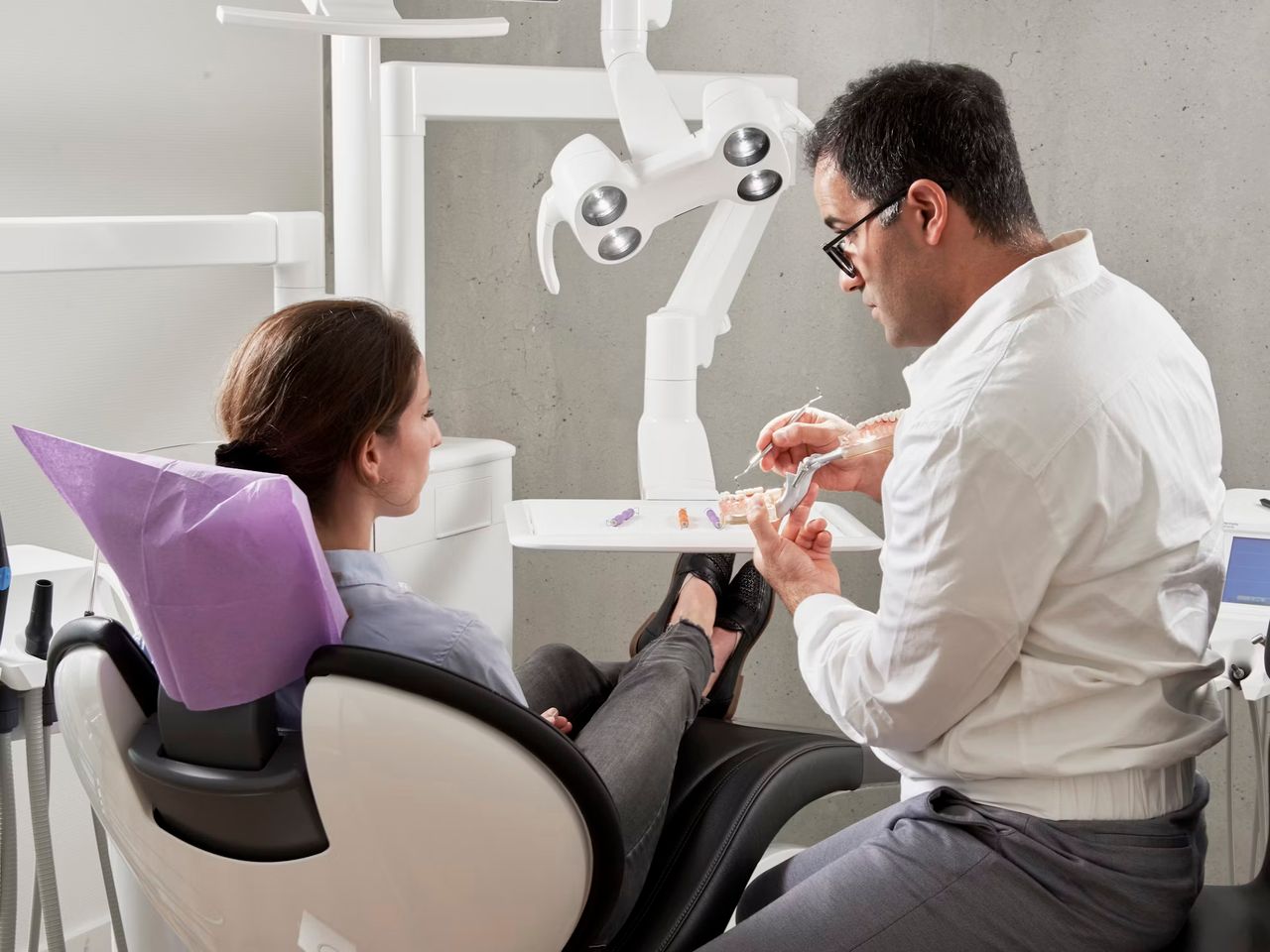
More than 1,100 medications are known to cause dry mouth, according to the American Academy of Oral Medicine, and dry mouth is one of the leading causes of increased cavities in patients who otherwise brush and floss well. Antihistamines, antidepressants, blood pressure drugs, and diuretics are among the most common culprits. If you take daily medication, telling your dentist matters just as much as telling your doctor.
With about 66% of U.S. adults, or 131 million people, taking at least one prescription medication according to Georgetown University’s Health Policy Institute, this is not a rare issue. Here’s what the research shows about medications that affect your dental health and how to stay protected.
Medications That Cause Tooth Decay
Some of the most commonly prescribed drugs are also medicines that harm teeth over time, and the connection usually comes down to saliva. Antihistamines, blood pressure medications, antidepressants, and diuretics are frequent culprits because they reduce saliva flow, and saliva is your mouth’s main defense against decay.
The risk also climbs with the number of medications a patient takes. Research published through the USC Ostrow School of Dentistry found that perceived dry mouth symptoms affect 17% of adults on no medication, 33.5% of those on three medications, and 67% of those taking seven or more. For patients managing several prescriptions at once, that is a significant jump in cavity risk.
Chewable and liquid medications add another layer of risk. Cough syrups, chewable vitamins, and antacids often contain sugar or acidic ingredients that sit on tooth surfaces, especially along the gumline, when taken daily for weeks or months.
| Medication Type | Common Dental Side Effect |
| Antihistamines, decongestants | Reduced saliva, higher decay risk |
| Antidepressants (SSRIs, SNRIs) | Dry mouth, taste changes |
| Blood pressure drugs, diuretics | Dry mouth, gum overgrowth (some types) |
| Chewable vitamins, cough syrups | Sugar/acid exposure on enamel |
| Bisphosphonates (osteoporosis) | Jawbone and gum tissue changes |
If you’re starting a new long-term prescription, mention it at your next professional teeth cleaning so Dr. Foote can watch for early changes.
Dry Mouth Caused by Medication
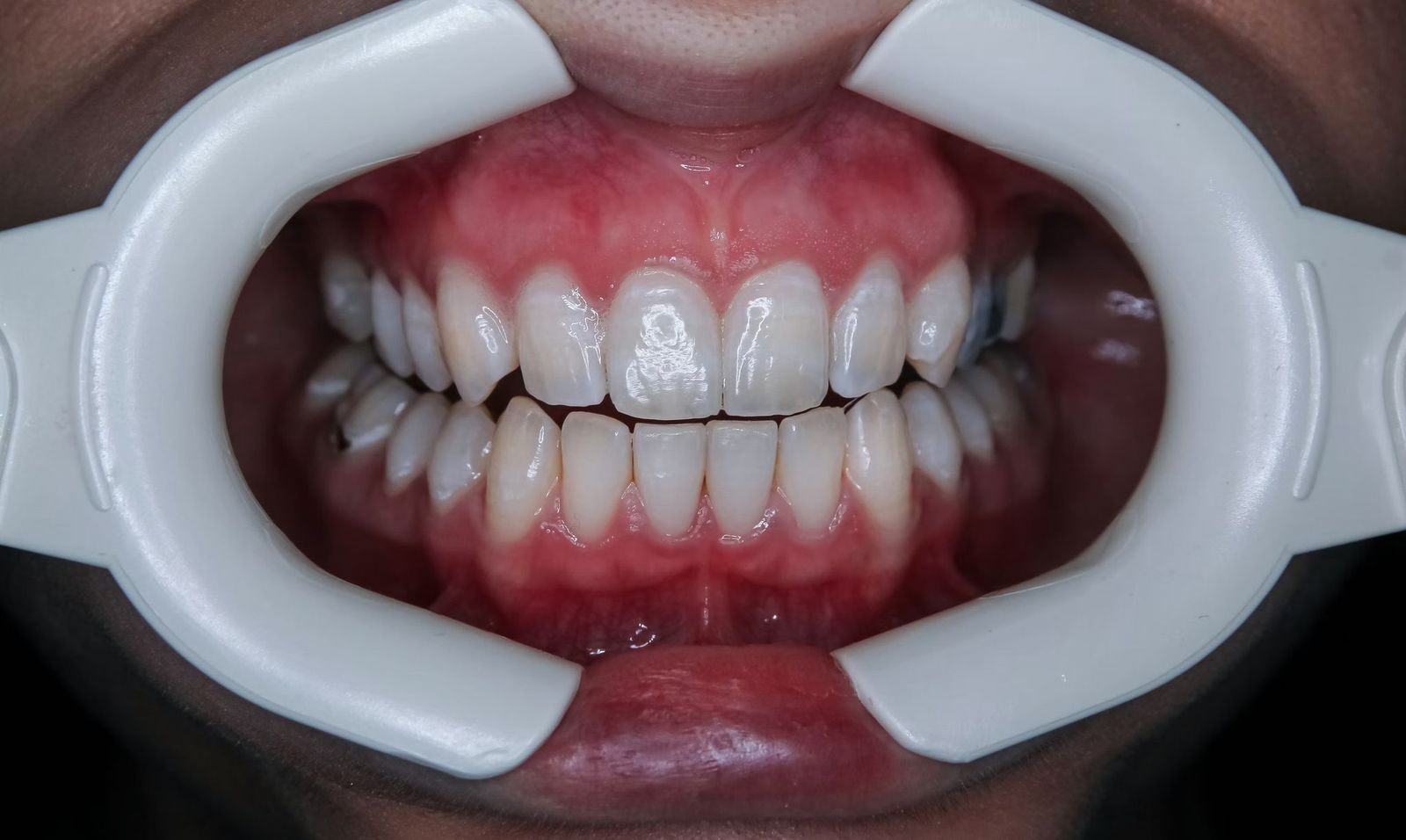
Dry mouth caused by medication, known clinically as xerostomia, is the most frequently reported dental side effect of drugs. The American Dental Association notes that the reported prevalence of xerostomia in the general population ranges widely, from under 1% to nearly 65%, largely depending on age and medication use. Saliva does more than keep your mouth comfortable: it washes away food particles, neutralizes acid, and delivers the minerals that rebuild enamel. Without enough of it, bacteria multiply faster, and enamel weakens.
Some medications carry a particularly high risk. Oxybutynin, a common overactive bladder drug, causes dry mouth in more than 70% of patients taking the immediate-release version, according to GoodRx-reported clinical data. Anticholinergic drugs, as a class, along with many opioids and benzodiazepines, are also frequently linked to significant salivary reduction.
Signs of medication-related dry mouth include:
- A sticky or dry feeling in the mouth, especially at night
- Difficulty swallowing or speaking for long periods
- A burning sensation on the tongue
- Frequent bad breath
- Cracked lips or a rough, dry tongue
If any of these sound familiar, don’t stop taking your medication on your own. Talk with Dr. Foote about ways to manage the side effects safely.
How Medications Affect Oral Health Long-Term
Beyond decay and dry mouth, some drugs affect oral health in other specific ways. Blood thinners can make gums bleed more easily during brushing or cleanings. Certain seizure medications and calcium channel blockers are linked to gum tissue overgrowth. Bisphosphonates, often prescribed for bone density, require special precautions before any tooth extraction or oral surgery.
The good news: most of these dental side effects of drugs are manageable once your dentist has your full medication list. Fluoride treatments, prescription mouth rinses, or more frequent periodontal care visits can offset much of the added risk.
Protecting Your Smile While Taking Necessary Medications
Always bring an updated medication list, including supplements and over-the-counter drugs, to your dental appointments. This small step lets Dr. Foote spot patterns early and recommend the right preventive care before decay or gum problems set in. Ready to protect your smile? Schedule a consultation with Dr. Foote to review your medications and build a dental care plan that works alongside them.
FAQs
1. Should I stop taking my medication if it’s harming my teeth?
No. Never stop a prescribed medication without talking to your doctor first. Let Dr. Foote know what you’re taking so he can recommend fluoride treatments, saliva substitutes, or a more frequent cleaning schedule to offset the side effects.
2. What over-the-counter products help with dry mouth?
Sugar-free gum, saliva substitute sprays, and alcohol-free mouthwash can all help. Sipping water throughout the day also supports natural saliva flow.
3. Do children’s medications affect their dental health, too?
Yes. Chewable vitamins, liquid antibiotics, and cough syrups can contain sugar that clings to young teeth. Rinsing with water after taking these medications helps reduce the risk.
4. How often should I see the dentist if I take medication daily?
Patients on medications linked to dry mouth or gum changes often benefit from cleanings every three to four months, rather than the standard six-month schedule. Dr. Foote can recommend the right interval for you.
5. Can vitamins or supplements affect my teeth?
Some chewable vitamins and acidic supplements, like vitamin C tablets, can wear down enamel over time. Taking them with food and rinsing with water afterward can help protect your teeth.
Sources: American Academy of Oral Medicine (via SingleCare); American Dental Association xerostomia data; Georgetown University Health Policy Institute; USC Ostrow School of Dentistry; GoodRx dry mouth medication data.