Introduction
Did you know that the average dental practice uses about 360 gallons of water every single day? Or that dentistry in England alone creates nearly 23 million tons of carbon emissions each year? These numbers might surprise you, but they highlight an important truth: like all healthcare, dentistry has an environmental footprint.
The good news? That’s changing.
More and more dental practices are discovering ways to provide excellent care while being kinder to the planet. This movement is called eco-friendly dentistry or green dentistry. It’s about finding smart ways to reduce waste, save energy, and use safer materials—all without compromising the quality of care patients receive.
Content Summary
- What Exactly Is Eco-Friendly Dentistry?
- Why Traditional Dentistry Can Be Hard on the Environment
- Meet a Dentist Committed to Advanced Care: Dr. Bryan G. Foote
- 7 Ways Modern Dental Practices Are Going Green
- Why Going Green Is Also Good Business
- What You Can Do at Home: Eco-Friendly Oral Care for Patients
- Challenges on the Path to Green Dentistry
- The Future of Sustainable Dentistry
- How to Find an Eco-Conscious Dentist
- Conclusion: Small Changes, Big Impact
What Exactly Is Eco-Friendly Dentistry?
Eco-friendly dentistry (also called green dentistry or sustainable dentistry) is an approach to oral healthcare that focuses on reducing environmental harm. It balances top-quality patient care with smart choices that protect our air, water, and natural resources.
The Core Idea: The 4 R’s
Most eco-friendly dental practices follow four simple principles:
- Rethink: Question old habits. Do we really need to use that plastic barrier there, or is there a better way?
- Reduce: Use less energy, less water, and fewer materials whenever possible.
- Reuse: Choose durable, sterilizable instruments over single-use plastics when it’s safe to do so.
- Recycle: Set up strong recycling programs for paper, plastics, metals, and even specialized dental materials.
It’s not about being perfect. It’s about making better choices, one step at a time.
Why Traditional Dentistry Can Be Hard on the Environment
To understand why green dentistry matters, it helps to know where the environmental challenges come from.
1. Carbon Emissions
The biggest environmental impact from dentistry isn’t from the clinic itself. It’s from getting there. Nearly 64% of dentistry’s carbon footprint comes from patient and staff travel. Every time someone drives to an appointment, it adds to the practice’s overall emissions.
2. Energy and Water Use
Dental offices run a lot of equipment. Autoclaves (for sterilizing tools), compressors, x-ray machines, and lights all use electricity.
And water? A typical practice uses hundreds of gallons daily for vacuum systems, hand washing, and equipment cooling.
3. Waste from Materials
This is a big one. Dental practices generate several types of waste:
- Mercury from old fillings: Dental amalgam (silver fillings) contains about 50% mercury. If this gets into wastewater, it can pollute rivers and lakes and build up in fish.
- Single-use plastics: Think about all those plastic gloves, suction tips, barriers, and packaging. Sterilization pouches alone can make up 12% of a clinic’s total waste.
- Chemicals: Some disinfectants and sterilizing solutions can be harmful to aquatic life if not disposed of properly.
- Nitrous oxide (“laughing gas”): This sedation gas is nearly 300 times more potent as a greenhouse gas than carbon dioxide.
Meet a Dentist Committed to Advanced Care: Dr. Bryan G. Foote
Dr. Bryan G. Foote has been caring for patients in Columbia, Missouri, for over 20 years. But he’s not the kind of dentist who rests on his experience. Throughout his career, he has constantly educated himself on new technologies and methods to provide the very best care.
A dentist who values innovation is naturally inclined to adopt practices that are both better for patients and better for the environment.
7 Ways Modern Dental Practices Are Going Green
Now let’s explore the specific steps that practices, including those like Dr. Foote’s, are taking to become more sustainable.
1. Going Digital: Less Paper, Less Waste
One of the biggest shifts in modern dentistry is the move to digital systems.
What it means:
- Electronic health records (EHRs) replace mountains of paper charts and forms.
- Digital x-rays eliminate the need for chemical processing, which used to create hazardous waste.
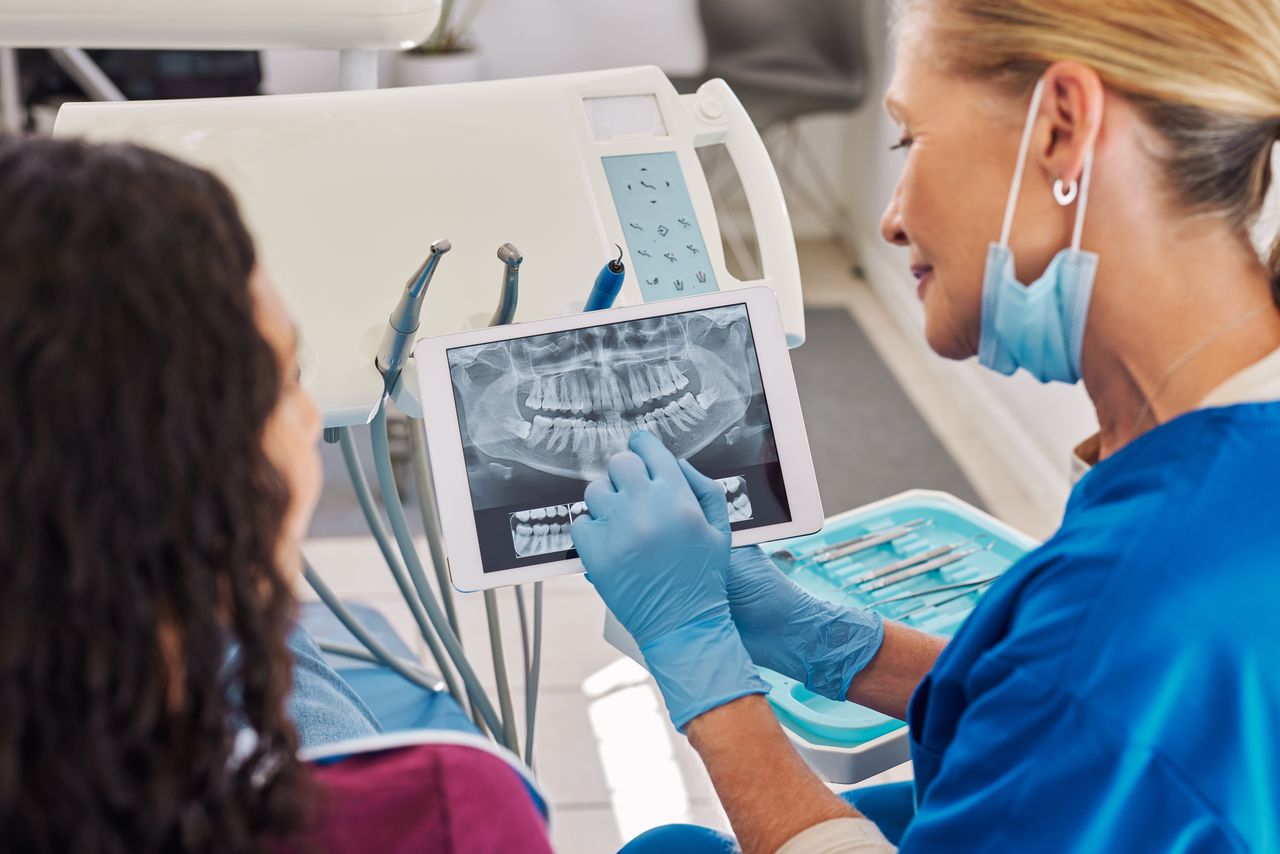
- Intraoral digital scanners are replacing messy traditional impressions. Instead of filling a tray with goopy material that gets thrown away, the dentist simply scans your teeth with a small wand.
Why it’s greener: Digital workflows can reduce material waste by up to 50% compared to old methods.
Dr. Foote’s practice is dedicated to “new technologies” perfectly suited for these digital tools. Digital scanners aren’t just eco-friendly; they’re also more comfortable for patients who hate the taste and gagging feeling of traditional impressions.
2. Smarter Sterilization
Keeping instruments sterile is non-negotiable, but how it’s done can be greener.
What it means:
- Using modern, energy-efficient autoclaves that use less electricity and water.
- Running full loads rather than half-empty cycles.
- Choosing sterilizers designed to be repairable and long-lasting so they don’t end up in landfills quickly.
Why it’s greener: Less energy and water use means a smaller carbon footprint, while durable equipment means less waste.
3. Keeping Mercury Out of Our Water
This is one of the most important environmental steps a dental office can take.
What it means:
- Installing amalgam separators. These devices capture over 95% of mercury particles before they can enter the wastewater system.
- Moving toward mercury-free filling materials like composite resins (tooth-colored fillings).
Why it’s greener: Mercury is a potent neurotoxin. Keeping it out of rivers and oceans protects wildlife and the food chain.
While we can’t speak to Dr. Foote’s specific equipment without asking, a dentist focused on “validated research” and “high-standard services” would certainly be aware of the global shift away from mercury.
Many patients today prefer the natural look of tooth-coloured composite restorations.
4. Conserving Water
Dental offices use a lot of water, but there are ways to cut back.
What it means:
- Switching from traditional “wet” vacuum systems to dry vacuum systems saves thousands of gallons yearly.
- Installing low-flow faucets and toilets.
- Fixing leaks promptly.
- Using washer-disinfectors efficiently (they often use less water than handwashing instruments).
Why it’s greener: Fresh water is a precious resource. With predictions that three out of four people could face water shortages by 2050, every drop counts.
5. Rethinking Single-Use Plastics
Plastic waste is a major problem, and dental offices generate significant amounts of it. Some practices are finding ways to cut back safely.
What it means:
- Using plastic barriers and disposables only where truly necessary for infection control, rather than on every single surface.
- Choosing reusable instruments over disposables when safety standards allow.
- Working with suppliers who use less packaging.
Why it’s greener: Less plastic ends up in landfills and oceans, where it takes centuries to break down.
6. Sustainable Purchasing
What a practice buys and who they buy it from makes a difference.
What it means:
- Creating a “green supplier” list that prioritizes environmentally responsible companies.
- Ordering supplies in bulk to reduce shipping emissions and packaging waste.
- Keeping a careful track of inventory so products don’t expire before they’re used.
Why it’s greener: The supply chain has its own carbon footprint. Smart purchasing shrinks that footprint.
7. Teledentistry: Reducing Travel Emissions
Remember that 64% of dentistry’s carbon footprint comes from travel? Teledentistry helps solve that.
What it means:
- Offering virtual consultations for follow-up appointments, treatment planning, or discussing concerns.
- Using video calls to triage problems, sometimes saving patients an unnecessary trip.
Why it’s greener: Fewer car trips mean fewer emissions. It’s also more convenient for patients.
Imagine being able to discuss that tooth sensitivity or get questions about implant costs answered from your living room by Dr. Foote.
Practices that embrace patient communication are natural fits for teledentistry options.
Why Going Green Is Also Good Business
Some dentists worry that eco-friendly changes might cost too much. But here’s the truth: green dentistry often saves money in the long run.
1. Lower Operating Costs
Energy-efficient equipment uses less electricity. Water conservation lowers water bills. Reducing waste means paying less for trash disposal. These savings add up.
2. Patients Appreciate It
Surveys show that 62% of consumers prefer to support businesses that care about sustainability. When patients know their dentist shares their values, they’re more likely to stay loyal and recommend the practice to friends.
3. Happier Staff
Many people, especially younger workers, want to work for employers who do good in the world. A genuine commitment to sustainability helps attract and keep great team members.
4. It Just Feels Good
Dentists go into healthcare to help people. Extending that help to the planet brings a deeper sense of purpose to the work.
Dr. Foote’s patients like Wesley G. and Todd B. already praise the practice’s “great customer service” and “education.” These are the kinds of patients who would also appreciate learning about their dentist’s efforts to protect the environment.
What You Can Do at Home: Eco-Friendly Oral Care for Patients
Sustainability isn’t just about what happens at the dental office. Your home routine matters too. Here are simple changes you can make.
Choose Greener Products
- Toothbrush: Switch to a bamboo toothbrush with biodegradable bristles. It does the same job as plastic but won’t sit in a landfill for 500 years.
- Toothpaste: Look for toothpaste tablets or tubes made from recyclable materials. Some brands even offer refillable glass jars.
- Floss: Choose silk or bamboo fiber floss that comes in a refillable glass container rather than a plastic dispenser.
- Mouthwash: Consider concentrated tablets or powders that you mix with water at home. They come in minimal packaging.
Save Water
This one is easy: turn off the tap while you brush. You can save up to 4 gallons of water per minute. That’s a huge difference over a lifetime of brushing.
Recycle Smartly
Oral care products are notoriously hard to recycle through regular programs. But there are options:
- Look into TerraCycle programs that accept toothpaste tubes, toothbrushes, and floss containers.
- Check if your local dentist’s office collects certain items for recycling.
Remember: Prevention Is the Greenest Choice of All
Here’s a powerful truth: the most sustainable dental treatment is the one that never happens.
Every cavity you prevent means one less filling, one less procedure, and one less trip to the dentist. That’s why good home care, brushing, flossing, and regular check-ups are actually an environmental act.
Dr. Foote’s approach to patient education, helping you understand the “root of the problem” with issues like bleeding gums or tooth sensitivity, empowers you to take preventive action. That’s good for your health and good for the planet.
Challenges on the Path to Green Dentistry
Let’s be honest: going green isn’t always easy. It’s helpful to understand the challenges so they don’t become roadblocks.
1. Upfront Costs
Some changes, such as buying a digital scanner or installing solar panels, require a significant investment. The key is to start small. Begin with no-cost changes like recycling and turning off lights, then plan for bigger purchases over time.
2. Infection Control Concerns
Some people worry that reducing plastic use might compromise safety. But green dentistry isn’t about taking risks. It’s about finding smart ways to be sustainable while adhering to safety guidelines. Reputable practices never cut corners on sterilization.
3. Staff Habits
Change can be hard. The best approach is to involve the whole team, appoint “green champions,” and celebrate progress. Small wins build momentum.
4. Product Availability
Some sustainable dental products are still hard to find. But as more practices demand them, suppliers will respond. Patient demand helps too!
The Future of Sustainable Dentistry
What does the future hold for eco-friendly dentistry? Exciting things.
- 3D printing is allowing dentists to create restorations with minimal material waste.
- Smart energy monitors help practices track and optimize their energy use.
- New materials are being developed that are both biocompatible and biodegradable.
- Dental schools are starting to teach sustainability alongside clinical skills.
The movement is growing. And practices that embrace it now will be well-positioned for the future.
How to Find an Eco-Conscious Dentist
If you’re a patient who cares about these issues, here’s how to find a dentist who shares your values.
- Ask questions. Call the office and ask what they do to reduce waste or save energy.
- Look for digital technology. Digital x-rays and scanners are signs of a modern, efficient practice.
- Ask about materials. Do they offer mercury-free fillings? Do they use BPA-free composites?
- Check their website. Some practices proudly share their sustainability efforts online.
- Trust your gut. A practice that communicates well and values education is likely open to these conversations.
If you’re in the Columbia, MO area, you can start by contacting Dr. Bryan G. Foote’s office. With over 20 years of experience and a clear commitment to “new technologies and methods,” this practice is worth exploring.
You can reach them at 601W. Nifong Blvd., Suite 4A, Columbia, MO 65203
Visit their website to learn more about their services, meet the team, and schedule a consultation: drfootedental.com
Conclusion: Small Changes, Big Impact
Eco-friendly dentistry isn’t about being perfect. It’s about being mindful. It’s about asking, “Is there a better way?” and then taking one small step at a time.
For dental practices, that might mean upgrading to energy-efficient equipment, switching to digital records, or simply recycling more diligently. For patients, it might mean choosing a bamboo toothbrush, turning off the tap while brushing, or asking your dentist thoughtful questions about their practices.
The cumulative effect of all these small changes is enormous. When thousands of practices and millions of patients make greener choices, we protect our water, clean our air, and preserve resources for future generations.
The ancient oath Primum non nocere—”First, do no harm”—reminds us that healthcare is about more than treating disease. It’s about protecting life in all its forms. By extending that protection to the planet that sustains us, we honor the deepest purpose of healing.
The planet is our ultimate patient. It’s time we all started treating it that way.
Would you like to learn more about Dr. Foote’s approach to modern, patient-centered dentistry? Visit drfootedental.com or call to schedule a consultation today.
FAQs
Q1: Is eco-friendly dentistry more expensive for patients?
A: Not necessarily. While some green technologies require upfront investment from the practice, many sustainable practices actually lower operating costs over time. These savings can help keep prices competitive. Additionally, the materials used in green dentistry (such as tooth-coloured composites) are standard in most modern practices. The cost of your care depends on your specific treatment plan, not whether the practice is eco-friendly.
Q2: Are “green” dental products like bamboo toothbrushes as effective as plastic ones?
A: Yes! Bamboo toothbrushes clean your teeth just as effectively as plastic ones. The bristles are usually made from the same nylon material, so the cleaning action is identical. The main difference is the handle, which is biodegradable. For other products like floss and toothpaste, just check for the American Dental Association (ADA) seal of acceptance to ensure they meet safety and effectiveness standards.
Q3: My current dentist doesn’t talk about sustainability. How can I bring it up?
A: You can start the conversation in a friendly, curious way. For example, you might say: “I’ve been learning about ways to reduce my environmental footprint, and I’m curious if the practice does anything to recycle or reduce waste.” Most dentists appreciate patients who are engaged and thoughtful. Your question might even inspire them to look into new eco-friendly options!
Q4: Is it safe to use reusable instruments? Doesn’t that risk infection?
A: Absolutely, it is safe when done correctly. Reusable instruments are made from high-quality stainless steel and are designed to withstand repeated sterilization. In fact, sterilization protocols for reusable instruments are extremely rigorous. Autoclaves use high heat and pressure to kill all microorganisms. As long as a practice follows proper infection control guidelines (which all reputable practices do), reusable instruments are just as safe as single-use ones.
Q5: What is the single biggest thing a dental practice can do to be greener?
A: If a practice could only do one thing, installing an amalgam separator would be the most impactful for the environment. It prevents mercury, a potent neurotoxin, from entering our water systems. After that, switching to digital workflows (to reduce paper and chemical waste) and implementing strong recycling programs are excellent next steps. For patients, the single biggest thing is preventing cavities through good home care!