Smokers and vapers are more likely to experience gum disease, tooth loss, complications following oral surgery and tooth extraction, and oral cancer. They do not recover as well as non-smokers and non-vapers and are more prone to infections. Giving up smoking and vaping improves a person’s response to gum treatment and lowers their risk of gum disease and oral cancer. Regular dental visits are crucial for smokers to maintain the health of their teeth and gums and to look for signs of oral cancer. To identify and address oral health issues, it is also crucial for vapers to see a dentist regularly. Make sure to let your dentist know if you vape.
What Is Vaping?
Vaping is a recreational substitute for smoking. The effects on oral health are comparable to those of tobacco because of the source of intake.
How does vaping and smoking affect teeth, gums, and oral health?
The most common oral problems affecting people who smoke or vape are:
- Gum (or periodontal) disease.
- Mouth cancer (oral cancer).
- Whitening of the soft tissue in the mouth (called smoker’s keratosis).
- Poor healing after tooth removal (known as dry socket).
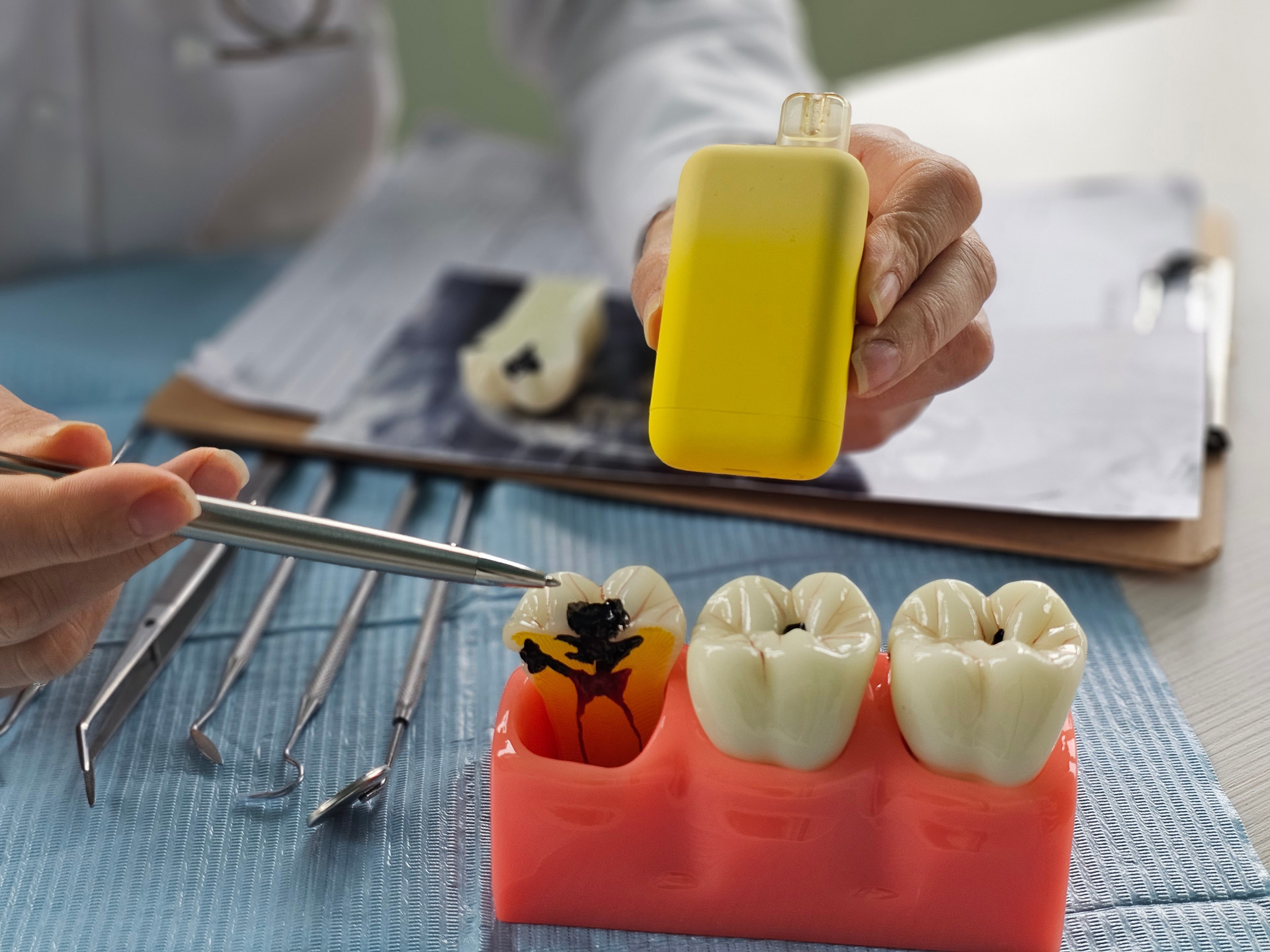
- Tooth decay.
- Tooth loss.
- Poor healing after mouth and gum surgery.
- Xerostomia (dry mouth).
- Altered taste sensations.
- Bad taste in the mouth and bad breath (called halitosis).
- Tooth erosion (acid damage to the teeth).
- Tooth discoloration.
- Aphthous ulcers.
Risks of Vaping
Vaping, using e-cigarettes, or water pipes, is marketed to be less dangerous than smoking traditional cigarettes. However, vaping involves inhaling e-liquids, also known as vaping juice, which may contain dangerous ingredients even if they are labelled as “nicotine-free.”
Among them are:
- Heavy metals.
- VOCs are volatile organic compounds.
- Chemicals that cause cancer.
Nicotine-containing vaping devices are likely to cause oral health issues. The effects of vaping on oral tissues are becoming increasingly evident. The primary one is xerostomia, or dry mouth, which alters taste and raises the risk of gum disease, tooth erosion (damage from acid), tooth decay, and tooth sensitivity. This is mainly because vegetable glycerin (VG) and propylene glycol (PG) evaporate into acidic compounds that erode or dissolve teeth. A sticky residue adheres to teeth and increases the risk of tooth decay can form when the vapour mixes with the added sweetened flavorings. Teeth discoloration may also result from the additives in vaping liquids.

Vaping, smoking, and gum (periodontal) disease
Gum disease, also known as periodontal disease, is an infection that damages the bone that surrounds and supports your teeth. If dental plaque, a buildup of bacteria and food particles on teeth, is not routinely removed, gum disease will result.
Gingivitis and periodontitis are the two phases of periodontal disease. The early stage, known as gingivitis, occurs when plaque irritates the gums. The more severe stage of gum disease, known as periodontitis, occurs when the irritation begins to harm the tissues that support the tooth. Teeth may come loose, fall out on their own, or need to be extracted by a dentist.
Tooth Loss From Periodontal Disease
Losing teeth in the back of your mouth can make chewing food more difficult.
Losing teeth at the front of the mouth affects your ability to eat, your appearance, and your speech.
Teeth also play an essential role in shaping the lower part of the face.
Overall Increased Risk of Periodontal Disease
Smoking and vaping alter blood flow to the gums, making it harder for the body’s immune system to fight bacteria in tooth plaque. As a result, the gum disease advances more quickly and is less likely to respond favourably to therapy. The amount of nicotine ingested during smoking and vaping increases the risk of gum disease. Gum disease also raises the risk of serious infections, which can cause pain, an unpleasant taste, and an unpleasant odour in your mouth.
“Will My Gums Get Better If I Stop Vaping/Smoking?”
Quitting smoking and vaping will help your gums. Smoke dries the mouth and nicotine impairs healing. Don’t panic if your gums bleed more after you stop smoking. Consult a dentist or dental hygienist for treatment and home care expertise.
Symptoms Of Periodontal Disease
It’s crucial to visit your dentist for routine examinations if you smoke. Symptoms to be aware of include:
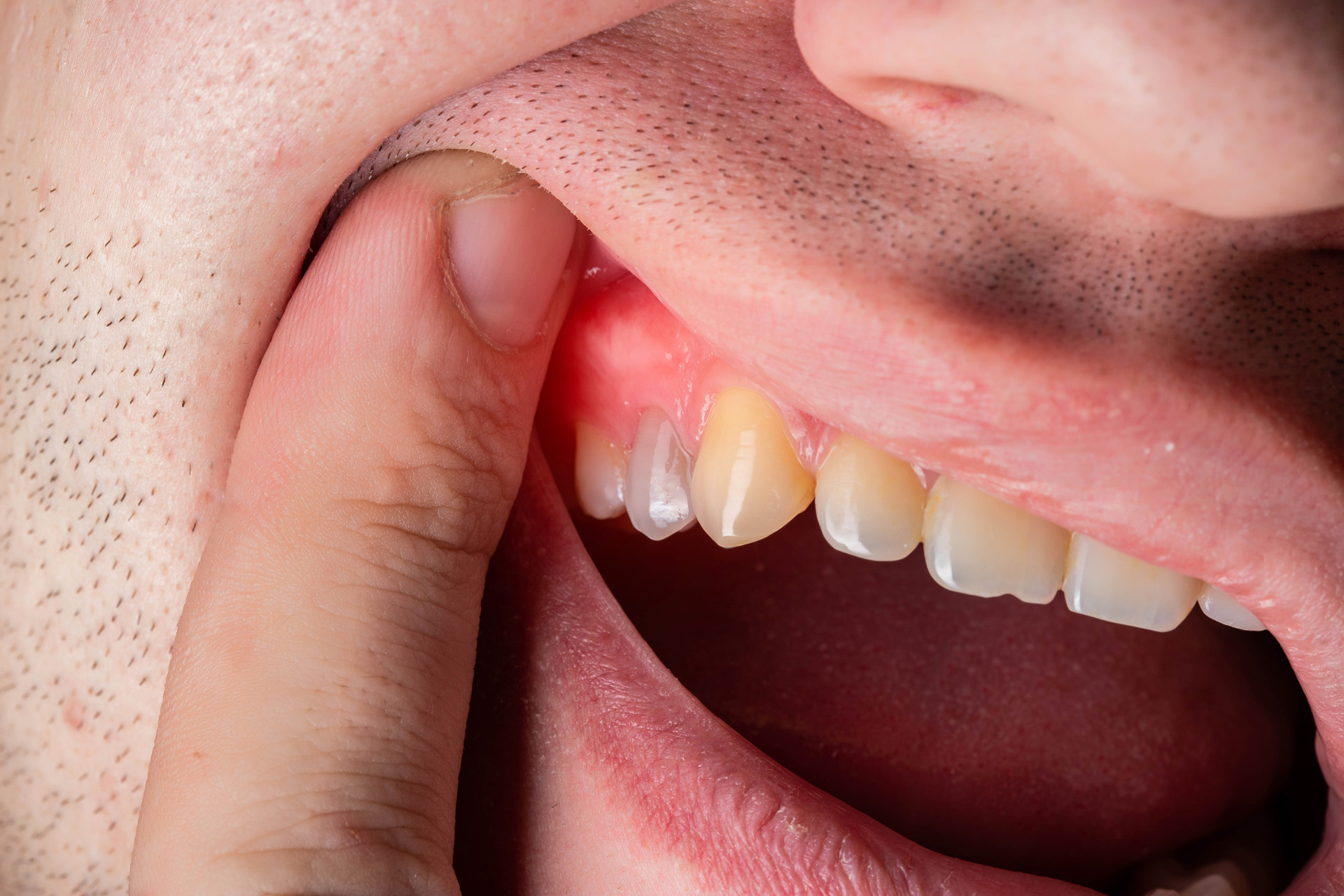
- Gums that are red, swollen, sensitive, and bleeding.
- Discharge (pus) from your gums.
- Loose gums that separate from your teeth.
- A foul breath or taste.
- Loose teeth.
This may alter how your teeth bite together or alter how your dentures fit. gaps that appear between your teeth.
Slow Healing After Dental Treatment
The immune system’s ability to combat infections is hampered by nicotine use. This hinders the healing process following dental extractions or oral trauma. Smoking and vaping can result in:
- Dry socket:
- A painful tooth socket that heals slowly following tooth extraction.
- Increased discomfort following gum and oral surgery.
If you experience any issues following dental treatment, get in touch with your dentist.
Oral Cancer Risk
Smokers are more likely to develop oral cancer on their lips, floor of the mouth, and side of the tongue. Other parts of the mouth may also still be impacted. To begin treatment as soon as possible, before cancer progresses or spreads to other parts of the body, early diagnosis is crucial. Chemotherapy, radiation, and surgery are used to treat oral cancer.
Symptoms of Oral Cancer
Please consult your physician or dentist right away if you observe any of the following:
- Persistent lip or mouth ulcer that does not go away after seven to ten days, especially if it is not painful.
- You have a red or white patch in your mouth.
- Swelling in the mouth.
- Suddenly, the dentures don’t fit correctly.
Prevention
The best thing you can do is act now and take steps to prevent periodontal disease and oral cancer by quitting smoking and vaping.
- Seek advice and support from your doctor, dentist, or Quitline to help you give up smoking and vaping.
- Use fluoride toothpaste and a soft toothbrush to clean your teeth and gums twice a day.
- Clean between your teeth once a day with interdental brushes for significant gaps, or dental floss for small ones.
- See your dentist every six to twelve months. They can identify issues early and guide you on how to care for your teeth and gums at home properly.
- Maintaining the health of your teeth and gums can be aided by routine visits.
- To increase saliva production, chew sugar-free gum and drink plenty of water. This is particularly crucial if you take drugs that make your mouth dry. Avoid recreational drugs and drink in moderation.
Where To Get Help
- Your primary care physician and most medical doctors are a good resource to provide information on how to quit smoking
- Dentists are also a good resource like our team at Bryan G. Foote, D.D.S., please call us at (573) 449-2311 for more information
FAQs
1. How does smoking affect my gums and risk of gum disease?
Smoking severely compromises gum health. It reduces blood flow to the gums, masking early signs of disease such as bleeding, while simultaneously weakening the immune system’s ability to fight infection. This makes smokers up to six times more likely to develop severe periodontal (gum) disease, which is a leading cause of tooth loss.
2. Can smoking cause oral cancer?
Yes, tobacco use is the number one risk factor for oral cancers. Smoking exposes the mouth to over 7,000 chemicals, many of which are carcinogenic. These chemicals can cause mutations in the cells of the lips, tongue, cheeks, and throat. Regular dental check-ups are crucial for early detection of any suspicious changes.
3. Why do I have persistent bad breath and tooth stains from smoking?
The chemicals in tobacco smoke linger in the mouth, lungs, and throat, creating a persistent unpleasant odor known as “smoker’s breath.” Additionally, tar and nicotine easily penetrate tooth enamel, causing deep-set yellow or brown stains that are difficult to remove with regular brushing.
4. Does smoking impact healing after dental procedures (e.g., extractions, implants)?
Yes, smoking significantly slows healing. It constricts blood vessels, reducing the supply of oxygen and nutrients needed for repair. This increases the risk of painful complications, such as dry socket after an extraction, and raises the failure rate for procedures like dental implants and gum grafts.
5. Will quitting smoking improve my oral health?
Absolutely. The benefits begin almost immediately. Improved blood flow to the gums, increased immune support, and a decrease in the risk of gum disease and oral cancer. Staining and bad breath reduce, and your overall response to dental treatments improve. It’s one of the best decisions you can make for your oral and general health.