Think braces are just for teenagers? Think again. More adults than ever are choosing orthodontic treatment to address dental issues that developed over time or were never fully corrected in youth. In fact, approximately one in three orthodontic patients is over 18. Your teeth naturally shift throughout life. Aging, hormonal changes, tooth loss, and habits like grinding can all cause movement. Each time a gap forms or pressure is applied, your bite can change, potentially leading to crowding, misalignment, or even jaw discomfort.

Orthodontics isn’t just about aesthetics. It’s about function, comfort, and long-term dental health. Adult treatment can address the following:
- Crowding or shifting teeth
- Bite issues (overbite, underbite, crossbite)
- Jaw discomfort or TMJ concerns
- Excessive tooth wear from misalignment
- Difficulty cleaning between crowded teeth
A properly aligned bite also reduces your risk of gum disease, fractures, and uneven wear, while boosting your confidence in personal and professional settings. Recognizing when you might need braces is an important step toward better oral health. And with today’s treatment options, it’s never too late to achieve the smile you want.
Functional Signs: When Your Bite Isn’t Right
A “bad bite,” known clinically as malocclusion, is not just a cosmetic issue. It is a condition where the teeth and jaws are not properly aligned, which can lead to a cascade of functional problems that affect your daily comfort and long-term oral health.
Difficulty Chewing or Biting
When your teeth are misaligned, a condition that includes open bites, crossbites, and overcrowding, they cannot make the even, efficient contact needed to break down food.
This puts uneven and excessive pressure on specific teeth rather than distributing the force evenly across your entire bite.
This imbalance often forces people to adapt their eating habits. You might find yourself consistently chewing on only one side of your mouth to avoid discomfort.
In more significant cases, you may begin avoiding certain foods altogether, such as chewy meats, crusty breads, or raw vegetables, because they are too difficult or painful to manage.
This can be a strong indicator of an underlying issue like an open bite (where front teeth don’t touch) or a crossbite.
Jaw Pain, Clicking, or Headaches (TMD)
Your jaw joints (temporomandibular joints, or TMJ) and the muscles that power them are designed to work in harmony.
When your bite is misaligned (malocclusion), it forces these muscles and joints to work harder and in awkward ways to bring your teeth together. This constant strain is a primary cause of temporomandibular disorders (TMD).
The symptoms of this strain are often mistaken for other issues, making them key, overlooked signs that an adult might need braces.
These include:
- Chronic Headaches: Tension in the jaw muscles from clenching or straining to align a bad bite can radiate pain, leading to frequent tension headaches or even migraines.
- Jaw Pain and Tenderness: You may feel soreness in the jaw muscles, especially upon waking or while chewing.
- Clicking or Popping Sounds: You might hear or feel a clicking, popping, or grating sound in one or both jaw joints when you open or close your mouth. While a click without pain isn’t always a problem. It can be a significant indicator of a disc displacement within the joint when combined with other symptoms.
- Locking Jaw: In more severe cases, the jaw may temporarily lock in an open or closed position, making it difficult to move.
If you are experiencing these functional signs, consult with Bryan G. Foote, DDS for a thorough examination to help determine if correcting your bite is the right solution.
Physical Signs: Changes in Your Teeth Alignment
As we age, our teeth are not fixed in place like monuments. They exist in a state of dynamic equilibrium, and various factors can cause them to shift, leading to noticeable changes in alignment.
Recognizing these physical signs is important because they often indicate underlying issues that go beyond simple aesthetics.
Crowding That’s Getting Worse
It is a physiological fact that teeth have a natural tendency to drift forward (a process called mesial drift) as we age. Additionally, the continual contraction of the jawbone that holds the teeth in place can contribute to crowding.
When this happens, the once-manageable space between teeth becomes insufficient, causing them to overlap or rotate.
This isn’t just a visual change; it creates tight spaces that are nearly impossible to clean with a toothbrush or floss.
If you find that flossing between certain teeth has become a struggle where it once slid through easily, it is a clear sign that crowding is progressing. This is a significant concern because these newly formed tight spaces are perfect traps for plaque and food debris.
When plaque is not removed, it hardens into tartar and increases the risk of two major dental problems:
- Cavities (Interproximal Caries): Acid produced by bacteria in the trapped plaque eats away at the tooth enamel, leading to decay between the teeth.
- Gum Disease (Periodontitis): The bacteria also irritate the gums, causing inflammation. Over time, this can destroy the supporting tissues and bone that hold teeth in place, potentially leading to further loosening and shifting.
Spacing Between Teeth Adults Develop
While many associate gaps with childhood or smiles that have always been that way, the appearance of new spaces between teeth in adulthood is a common and telling sign.
These new gaps, known as diastemas, rarely appear without a reason. They are typically symptomatic of an underlying change in the mouth’s structure or the forces acting upon the teeth.
New gaps can form for several key reasons, and they often indicate a condition that requires attention:
- Gum Disease (Periodontal Disease): This is one of the most common causes. Advanced gum disease destroys the underlying bone that supports the teeth. As this bony support is lost, teeth can become loose and begin to drift or shift, creating noticeable gaps. This is a sign of a serious oral health condition that requires professional treatment.
- Missing Teeth: The dental arch is designed to be a complete unit. When a tooth is lost and not replaced, the neighboring teeth no longer have the support they need to stay in place. They will naturally begin to tilt or drift into the empty space, which can open up gaps elsewhere in the mouth.
- Tongue Thrusting: This is an oral habit where the tongue presses forward against the teeth when swallowing, speaking, or even at rest. Over time, this constant, low-grade pressure can be strong enough to push the front teeth apart, creating a space.
- Grinding and Clenching (Bruxism): Chronic, forceful grinding can alter the bite dynamics and, in some cases, contribute to the flaring of teeth, which can result in gaps.
The consequences of these new gaps extend beyond appearance. These spaces become food traps, leading to chronic gum irritation, inflammation, and a higher risk of decay in areas that are difficult to keep clean.
Aesthetic & Comfort Signs
Beyond functional issues and physical shifts in alignment, there are aesthetic and comfort-related signs that can indicate a problem with your bite.
These signs often manifest as habits or conditions that patients may not immediately connect to the alignment of their teeth, but they are important pieces of the puzzle.
Teeth Grinding (Bruxism) and Wear
The connection between a misaligned bite (malocclusion) and teeth grinding (bruxism) is a well-documented concept in dentistry. When your bite doesn’t fit together smoothly or comfortably, a condition known as “occlusal interference,” your brain may subconsciously direct your jaw to move and grind in an attempt to find a more stable and comfortable resting position for the teeth.
This nocturnal grinding is the body’s effort to “find a spot” where the bite feels even.
Because grinding often happens during sleep, many people are unaware they are doing it. However, the evidence is often visible in the mirror and can be felt by your tongue. Key signs include:
- Flattened or Worn-Down Teeth: The biting surfaces of the teeth, particularly the front teeth and molars, may appear flat, shiny, or significantly shorter than they used to be. This is a direct result of enamel being worn away by constant friction.
- Chipped, Cracked, or Fractured Enamel: The excessive forces from grinding can cause the edges of teeth to chip or crack.
- Increased Tooth Sensitivity: As enamel is worn away, the underlying layer of dentin becomes exposed. Dentin is more porous and sensitive, leading to discomfort when consuming hot, cold, or sweet foods and drinks.
- Thinner or More Translucent Teeth: As enamel thins from wear, the edges of the front teeth may begin to look translucent or glass-like.
If you notice these signs of wear, it’s important to address the potential bite issue, as severe grinding can lead to significant tooth structure loss and the need for extensive restorative dental work.
Mouth Breathing and Dry Mouth
Proper lip closure at rest is a natural function that helps keep the mouth moist and healthy. Significant misalignment of the teeth and jaws, such as a severe overbite, underbite, or open bite, can physically make it difficult or impossible to comfortably close the lips without straining.
This forces a person to breathe through their mouth, especially during sleep.
Chronic mouth breathing leads to a persistent state of dry mouth (xerostomia), which has a surprisingly significant impact on oral health.
Saliva is the mouth’s primary defense mechanism; it neutralizes acids, washes away food particles, and controls bacteria.
When the mouth dries out:
- Gums Become Irritated: Without the constant washing and protective effects of saliva, the gum tissues become dry, inflamed, and more susceptible to infection and bleeding. This can exacerbate or accelerate gum disease (gingivitis and periodontitis).
- Bacteria Proliferate: A dry environment allows harmful bacteria to thrive and multiply more rapidly. This increases the risk of cavities, bad breath (halitosis), and further gum inflammation.
- Plaque Accumulates: The lack of saliva means plaque is not being washed away from tooth surfaces, allowing it to build up more quickly.
Therefore, if you or a family member consistently breathes through the mouth and experiences chronic dry mouth, especially upon waking, it may be linked to an underlying issue with dental alignment that deserves a professional evaluation.

The Critical First Step: The Adult Braces Consultation
Deciding to explore orthodontic treatment as an adult is a significant step. However, the process for an adult is distinctly different from the routine orthodontic evaluations common in adolescence.
An adult’s mouth has finished growing, may have a history of dental work, and faces different biological considerations, such as the natural aging of bone and gums.
Therefore, the initial consultation is a comprehensive diagnostic process designed to ensure that treatment is safe, effective, and tailored to the unique anatomy of the mature mouth.
What to Expect at Your Consultation
An adult braces consultation is far more than just a visual inspection and a discussion about which type of brackets looks best.
It is an in-depth clinical evaluation that focuses on the underlying health of the entire oral structure, the teeth, the gums, and the bone, to identify any “hidden” issues that could complicate or contraindicate treatment.
You can expect the following key components:
- Comprehensive Health and Dental History Review: The orthodontist will review your medical history, including any medications, conditions (like diabetes or osteoporosis), and allergies, as these can influence tooth movement and treatment planning.
- Full Head and Neck Examination: The doctor will examine your jaw joints (TMJ) for signs of pain or dysfunction, check your lymph nodes, and assess the overall symmetry and function of your facial muscles.
- Periodontal (Gum) Health Evaluation: This is arguably the most critical part of an adult consultation. The orthodontist will meticulously assess the health of your gums and the supporting bone. They will look for signs of gum disease (gingivitis or periodontitis), gum recession, and pocket depth. Healthy gums and bone are essential to withstand the forces of orthodontic tooth movement.
- Diagnostic Imaging (X-rays and Scans):
- Panoramic X-ray: This provides a broad view of the entire mouth, revealing the health of the tooth roots, the jawbone, and the position of any teeth that haven’t erupted.
- Cephalometric X-ray: This side-view X-ray of the head and face allows the orthodontist to analyze the relationship between the teeth, jaws, and profile. It is crucial for planning treatment that affects facial aesthetics and bite function.
- Cone Beam Computed Tomography (CBCT): In complex cases, a 3D scan may be taken to provide incredibly detailed images of the teeth, roots, bone volume, and nerves. This is especially useful for identifying impacted teeth (teeth stuck in the bone) or assessing bone density and volume for temporary anchorage devices (TADs).
- Intraoral and Extraoral Photographs: Standardized photos will be taken of your face and smile from multiple angles, as well as detailed shots of your teeth and bite. These serve as a baseline record and are essential for treatment planning.
- Discussion of Findings and Treatment Options: After gathering all the diagnostic data, the orthodontist will review their findings with you. They will explain any “hidden” issues discovered, such as early-stage bone loss due to previous periodontal disease, impacted teeth, or insufficient bone for certain types of tooth movement. Only after a full discussion of these factors will they present a customized treatment plan that addresses your specific needs and goals.
Why Age Doesn’t Matter (But Health Does)
A common misconception is that there is an age limit for orthodontic treatment. From a biological standpoint, age alone is not a barrier.
Teeth can be moved successfully at any stage of life because the biological process of bone remodeling, where bone breaks down on the pressure side of a moving tooth and builds up on the tension side, continues throughout adulthood.
The true gatekeeper for orthodontic treatment is not chronological age but the health of the oral tissues. The success of braces relies entirely on a stable foundation.
-
Gum Health is Paramount: Active, untreated gum disease (periodontitis) is the primary contraindication for adult braces. Moving teeth through inflamed, infected, and unsupported gums can accelerate bone loss and potentially lead to tooth loss.
Therefore, adults must usually resolve any existing gum issues and achieve a state of periodontal health before orthodontic treatment can begin.
This often involves a visit to a periodontist (gum specialist) for a deep cleaning (scaling and root planing) or other treatments to eliminate infection and stabilize the gums and bone.
-
Bone Density and Volume: The orthodontist will assess whether you have adequate bone to support the planned tooth movements. Conditions like osteoporosis or significant bone loss from previous gum disease can affect treatment planning.
In some cases, a bone graft may be needed to create a sufficient foundation before braces can be placed.
- Other Health Considerations: Conditions like uncontrolled diabetes can impair healing and increase the risk of gum disease during treatment. These must be well-managed before and during orthodontic care.
In essence, an adult brace consultation is a health-first diagnostic process. It confirms that your mouth is a safe and stable environment for treatment, ensuring that the pursuit of a straighter smile does not come at the cost of your long-term oral health.
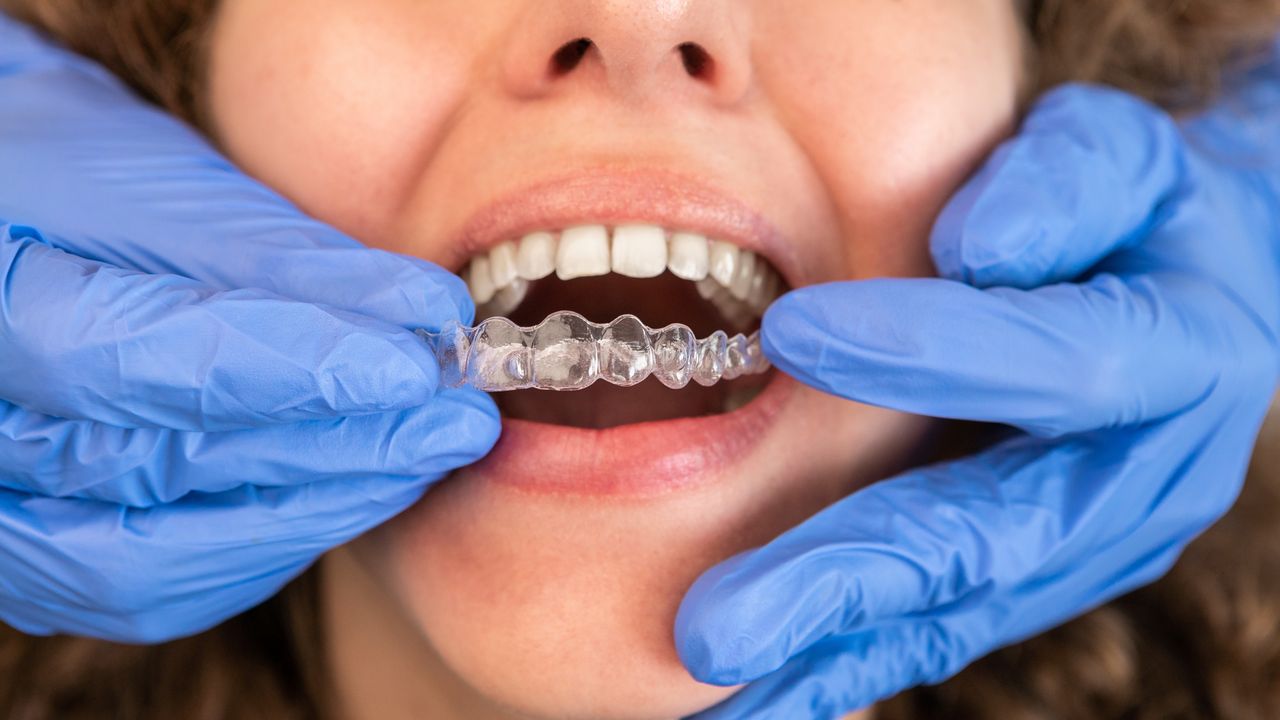
Modern Solutions for Adults
Gone are the days when metal braces were the only option. Today, orthodontic technology offers a variety of effective and discreet treatments tailored to the lifestyle and aesthetic concerns of adult patients.
During your consultation, Dr. Foote can help you choose the best solution based on the complexity of your case and your personal preferences.
- Ceramic Braces: Often called “clear braces,” these function exactly like traditional metal braces but use tooth-colored or clear ceramic brackets that blend in with your enamel. The archwire may also be tooth-colored or coated. They are a popular choice for adults who want a less noticeable option but require the precise control of traditional braces for complex tooth movements.
- Clear Aligners: Brands like Invisalign have revolutionized adult orthodontics. These are a series of custom-made, transparent plastic trays that fit snugly over your teeth and gradually shift them into place. They are removable for eating, brushing, and flossing, offering unparalleled convenience and discretion. They are most effective for mild to moderate crowding or spacing issues.
- Lingual Braces: These are traditional metal braces that are attached to the back (tongue-side) of the teeth, making them completely invisible from the outside. They are highly customized for each patient’s teeth but can be more challenging to clean and may affect speech temporarily.
- Traditional Metal Braces: While less discreet, modern metal braces are smaller and more efficient than ever. They remain the most robust and effective option for treating complex orthodontic cases and are often the most economical choice.
Conclusion
Making the decision to straighten your teeth as an adult is an investment that goes far beyond aesthetics. While a confident smile is a wonderful outcome, the functional and health benefits are even more significant. Teeth that are properly aligned are simply easier to keep clean.
When crowding and gaps are eliminated, brushing and flossing become more effective, removing the plaque and bacteria that lead to tooth decay, gum disease, and bad breath.
By addressing the signs of misalignment, whether it’s jaw pain, difficulty chewing, or new gaps, you are taking a crucial step toward protecting your long-term oral health.
If you recognize any of the signs discussed in this guide, from jaw discomfort and worn teeth to progressive crowding or new gaps, don’t wait for the problem to worsen. The first step toward a healthier, more comfortable smile is a professional evaluation.
Schedule an adult braces consultation with Dr. Foote today to discuss your specific concerns and discover how modern orthodontics can transform not just your smile but also your overall quality of life.
FAQs
1. Is 40, 50, or 60 too old to get braces?
No, age is not a barrier to orthodontic treatment. As long as your gums and bone structure are healthy, teeth can be successfully moved at any age. In fact, approximately one in three orthodontic patients is over 18. The focus during an adult consultation is on oral health, not chronological age, ensuring your foundation is stable enough to support tooth movement.
2. Can braces fix jaw pain and headaches?
Yes, orthodontic treatment can often alleviate jaw pain and chronic headaches. When your bite is misaligned (malocclusion), your jaw muscles must work harder to bring your teeth together, leading to strain. This tension can radiate, causing frequent headaches, jaw tenderness, or temporomandibular disorders (TMD). Correcting the bite helps the jaw joints function harmoniously, often relieving these symptoms.
3. Why are my teeth shifting as I get older?
Teeth naturally shift throughout adulthood due to several factors, including aging, hormonal changes, and the natural forward drift of teeth (mesial drift). Other common causes include tooth loss (which creates space for teeth to move), gum disease (which weakens the supporting bone), and oral habits like grinding or clenching. This movement can lead to new crowding or gaps.
4. What are the first signs that I might need braces as an adult?
The first signs often go beyond aesthetics. Key indicators include functional issues like difficulty chewing or biting, jaw pain or clicking, and chronic headaches. Physical signs include progressive crowding (teeth overlapping more), the appearance of new gaps between teeth, and excessive tooth wear from grinding. Difficulty cleaning between teeth is another common sign.
5. What happens during an adult braces consultation?
An adult consultation is a comprehensive diagnostic process. It typically includes a review of your medical and dental history, a full examination of your jaw joints (TMJ) and gums, and diagnostic imaging like X-rays or 3D scans. The orthodontist will specifically evaluate the health of your gums and bone to ensure they are healthy enough to support treatment before discussing customized options like clear aligners or ceramic braces.