Stress may manifest itself in numerous ways, such as pain in the shoulders or a racing heartbeat, or headaches. It is also capable of leaving a permanent impression on your smile. Actually, oral health can easily be a natural warning of your chronic stress level raising.
Hectic lifestyles predisposes more and more of us to chronic stress, and the results are found in your mouth. Early gum disease, teeth grinding, and rapid enamel erosion are all related to stress. What does this mean? Discover the impact of stress on your mouth and learn techniques to maintain a healthy smile.

How Your Body’s Stress Response Affects Your Mouth
Due to stress, hormones like cortisol are released in your body to aid the fight or flight mode. Although this reaction may be beneficial in brief spikes, chronic high levels of cortisol can cause health disasters to your organs and tissues in your mouth. The following are the most typical forms of stress manifested in your mouth:
1. Teeth Grinding and Clenching (Bruxism)
Have you ever woken up with a sore jaw or a headache? It could be due to you grinding your teeth at night, which is a phenomenon known as bruxism. The cause of this unconscious habit is stress. A study by the Journal of the American Dental Association demonstrates a close association between stress and sleep bruxism. And when you are trusted with this information, visit a dentist to learn more about the condition and how it can be remedied: What is Bruxism and How Can a Nightguard Help? Bruxism that is not characterized results in:
- Teeth were old, chipped, or broken.
- Hypersensitivity of the teeth.
- Jaw pain and jaw disorders: TMD/TMJ.
- Headaches and facial pain
2. Gum Disease and Weakened Immunity
An elevated cortisol level may also lead to a weakened immune system that is less able to resist infections, such as those caused by bacteria that lead to gum disease (periodontitis).
Research quoted by the National Institutes of Health indicates that psychological stress can change the immune response and increase the chances of periodontal disease.
The plaque bacteria are capable of increasing more easily.
- It is possible to deteriorate the inflammation of the gums (gingivitis) more rapidly.
- You have a poor capacity for repairing and maintaining the gum tissue.
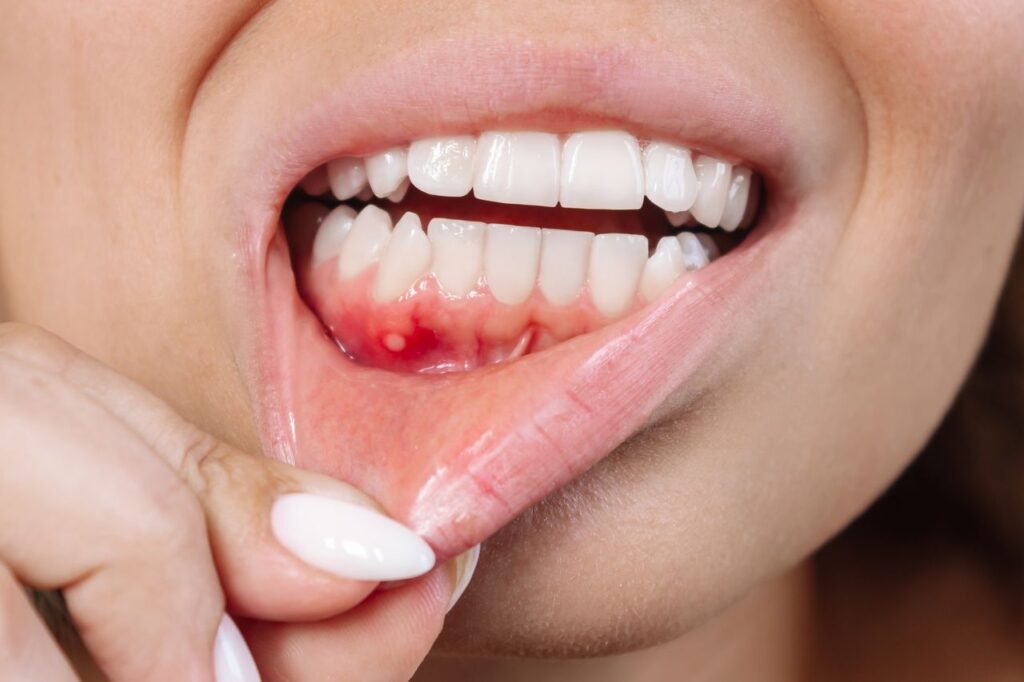
3. Canker Sores and Cold Sores
Canker sores are not clearly known to cause anything, yet very often they are linked with emotional stress. According to the American Dental Association (ADA) they can be caused by stress. The herpes simplex virus, leading to cold sores around the mouth, may also become an epidemic occasioned by stress.
4. Neglect of Oral Hygiene and Poor Dietary Choices
Self-care is often overlooked in times when we feel overwhelmed. We can even forget to brush or floss, skip dental check-ups, and go for comfort food. Such foods are typically rich in sugar and acid, which can be harmful to our teeth. This is why stress-induced dental degradation can be effectively prevented through a balanced diet.
Fighting Back: Protecting Your Smile from Stress
Bonus: There are positive measures you can take to mitigate these effects.
It is essential to manage stress and maintain good oral hygiene habits.
1. Stress Management Techniques
- Mindfulness and Meditation – Cortisol can be decreased by as little as 10 minutes a day. You may begin by consulting the resources of the American Psychological Association (APA) for assistance.
- Regular Exercise – Exercise has been proven to be an effective stress reliever.
- Adequate Sleep – Sleep should be given priority to decrease the chances of night grinding.
2. Professional Dental Solutions
In case you think you grind, come to us. A personalized nightguard that we offer at our practice will help preserve the appearance of your teeth under the impact of bruxism and save you the expense of later visits to the dentist.
If stress has caused you to neglect taking care of yourself, book a professional cleaning and check-up. This will be the most effective way to regain control and solve problems at the initial stages.
3. Reinforce Your Diet for Resilience:
Since stress can lead us to the wrong food, it is a dual defense mechanism to have a plan for what you are going to eat. Teeth- and gum-building foods provide the nutrients your body needs to repair tissues and reduce inflammation. Enhance your understanding of the topic by following our previous article, titled ‘The Role of Nutrition in Maintaining Strong Teeth.’
- Calcium+ Vitamin(D) (dairy, green, fortified foods): makes teeth and bones stronger.
- Vitamin C (found in citrus, bell peppers, and broccoli): This is essential for the health and healing of the gums.
- Phosphorus (lean meat, eggs, nuts): It is used in the company of calcium to restore tooth enamel.
- Fruits and vegetables (such as apples and carrots) help clean the teeth and promote the flow of saliva that neutralizes acid.
There is a relationship between your stress and your oral health. Stress management will help you make better investments in your smile. There is no better way to manage stress than to establish a careful oral care routine and supplement it with a healthy diet.
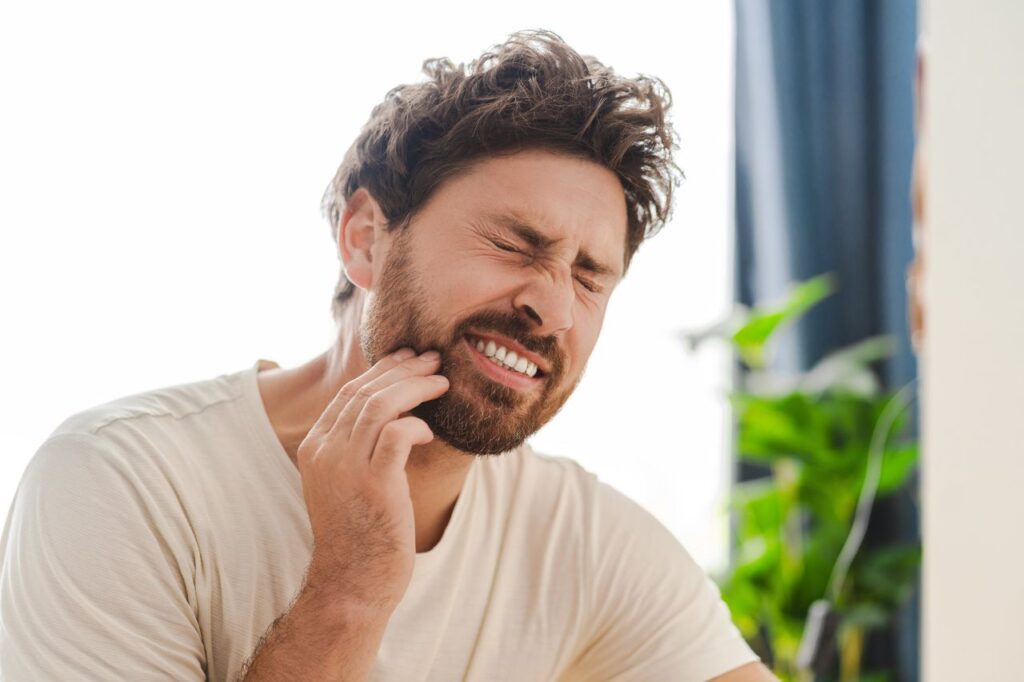
Is Stress Impacting Your Smile?
Don’t allow stress to reduce your teeth. When you have pain in your jaw, in your teeth, or when you simply haven’t been to the dentist in a long time, contact Dr. Bryan G. Foote. Professional cleanings and customized services at Bryan G. Foote, DDS are designed to restore your smile to its original splendor.
Schedule an appointment with us today and create a personalized program to achieve a healthier and happier smile. Call 573-449-2311.
Frequently Asked Questions (FAQs)
Q1: I think I grind my teeth at night. What should I do?
The first step is to schedule an appointment with us. We can examine your teeth for signs of wear and discuss your symptoms to determine the best course of action. If bruxism is diagnosed, we will likely recommend a custom-made nightguard to protect your teeth while you sleep.
Q2: Can stress really cause my gums to bleed?
Yes. Stress weakens your immune system, making it harder for your body to fight off the bacteria that cause gingivitis (the early stage of gum disease), which is characterized by bleeding and inflamed gums.
Q3: Are there specific foods I should avoid when I’m stressed?
Try to limit sugary snacks and acidic drinks, which are common “comfort foods.” These can accelerate tooth decay and enamel erosion, especially when your oral hygiene routine might be slipping. Focusing on foods for strong teeth and gums is a better strategy.
Q4: How can I remember to floss when I’m overwhelmed?
Try linking it to an existing habit, like brushing your teeth. Keep floss visible on your bathroom counter. Even doing it just a few times a week is better than not at all. Every small step counts!
Q5: Can a better diet actually help me manage stress?
Absolutely. A balanced diet helps stabilize your blood sugar and provides the essential nutrients your body needs to regulate stress hormones. Eating well supports both your mental and physical resilience.